
West Facing House Vastu Tips and Plan: West Facing House Vastu revolves around aligning the design and construction of a house with Vastu Shastra principles, specifically tailored for houses facing west. The direction a house faces is a pivotal element in Vastu Shastra, impacting the overall energy and well-being of its inhabitants. West-facing houses possess a blend of positive and negative effects, contingent upon their design plan and construction.
Adhering to Vastu principles tailored for a west-facing house serves to counterbalance the potential negative impacts while amplifying positive energies. Hence, comprehending the significance of West Facing House Vastu becomes imperative for fostering a harmonious and prosperous home.
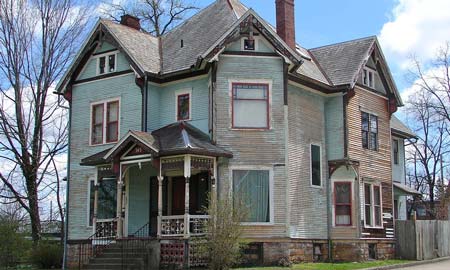
West Facing House Vastu
Advantages and disadvantages of a West Facing House Vastu
A. Advantages:
Wealth and Prosperity: According to Vastu Shastra, the west direction is associated with the planet Saturn, which governs wealth and prosperity. Therefore, a west-facing house designed as per Vastu principles can attract wealth and abundance to its occupants.
Positive Energy: A Vastu-compliant west-facing house can help harness the positive energy of the setting sun, which is believed to be a source of positive energy that can bring peace and harmony to the home.
Good Health: Vastu-compliant west-facing houses can help maintain good health and well-being for its residents. Proper placement of rooms and furniture can promote a healthy and peaceful environment.
B. Disadvantages:
Heat and Sunlight: A west-facing house can receive an excessive amount of heat and sunlight, especially during the summer months. This can result in higher energy bills and can make the home uncomfortable for its occupants.
Negative Energy: If the design and placement of a west-facing house are not as per Vastu principles, it can attract negative energies that can affect the health and well-being of its occupants.
Design Challenges: Designing a Vastu-compliant west-facing house can be challenging as the placement of rooms and furniture needs to be carefully planned to maximize positive energy while minimizing the negative effects.
In conclusion, West Facing House Vastu has both advantages and disadvantages. However, if designed and constructed as per Vastu principles, it can bring prosperity, good health, and positive energy to the home. It is essential to consult with a Vastu expert while designing a west-facing house to ensure that it is Vastu compliant and brings overall harmony and well-being to its residents.
Entrance Vastu for a West Facing House
Location: The entrance of a west-facing house should ideally be located in the northwest or west direction. It is essential to ensure that the entrance is not in the southwest direction as it can bring negative energy into the house.
Door Placement: The main entrance door of a west-facing house should be placed in the center of the west wall. It should be designed in a way that it opens inwards and clockwise.
Door Material: The main entrance door of a west-facing house should be made of high-quality wood and should be sturdy and well-maintained. The door should not have any cracks or creaking sounds.
Colors: The entrance of a west-facing house should be painted in light colors such as white, cream, or light blue. Avoid using dark colors such as black, brown, or gray.
Decorations: The entrance of a west-facing house should be decorated with auspicious symbols such as Swastik, Om, or a picture of Lord Ganesha. These symbols are believed to bring positive energy to the house.
Lighting: The entrance of a west-facing house should be well-lit with bright lights. Avoid using dim or dull lights, as they can bring negative energy into the house.
Obstructions: Avoid placing any obstructions such as trees, poles, or walls in front of the entrance of a west-facing house, as they can obstruct the flow of positive energy.
Living room Vastu for a West Facing House
The living room is one of the most important spaces in a house, as it is where the family gathers to spend time together. Here are some Vastu tips for designing a living room in a West Facing House Vastu:
Location: The living room in a West Facing House should ideally be located in the northwest or west direction. Avoid placing the living room in the southwest direction, as it can bring negative energy into the house.
Shape: The living room in a West Facing House should have a rectangular or square shape, as it is believed to promote the flow of positive energy.
Furniture Placement: The furniture in the living room should be placed in such a way that it does not obstruct the flow of positive energy. The seating arrangement should be such that it promotes face-to-face conversation.
Colors: The walls of the living room should be painted in light colors such as white, cream, or light blue. Avoid using dark colors such as black, brown, or gray.
Lighting: The living room should be well-lit with bright lights. Avoid using dim or dull lights, as they can bring negative energy into the house.
Decorations: The living room should be decorated with auspicious symbols such as Swastik, Om, or a picture of Lord Ganesha. These symbols are believed to bring positive energy to the house.
Electronics Placement: Avoid placing electronic devices such as TV, computers, and gaming consoles in the living room. If you must place them, ensure that they are in the northwest direction and placed in a way that they do not obstruct the flow of positive energy.
Kitchen Vastu for a West Facing House
The kitchen is considered to be the heart of the home, and it is important to ensure that it is designed in accordance with Vastu principles. Some Vastu tips for designing a kitchen in a West Facing House Vastu:
Location: The kitchen in a West Facing House should ideally be located in the southeast or northwest direction. Avoid placing the kitchen in the southwest direction, as it can bring negative energy into the house.
Shape: The kitchen in a West Facing House should have a square or rectangular shape, as it is believed to promote the flow of positive energy.
Cooktop Placement: The cooktop in the kitchen should be placed in the southeast direction, facing east. This is believed to bring good health and prosperity to the home.
Sink Placement: The sink in the kitchen should be placed in the northeast direction, facing east. This is believed to promote the flow of positive energy and prosperity.
Storage: The kitchen should have ample storage space for utensils, groceries, and other kitchen items. Ensure that the storage cabinets are not placed directly above the cooktop.
Colors: The walls of the kitchen should be painted in light colors such as white, cream, or light yellow. Avoid using dark colors such as black, brown, or gray.
Lighting: The kitchen should be well-lit with bright lights. Avoid using dim or dull lights, as they can bring negative energy into the house.
Ventilation: The kitchen should have proper ventilation to ensure that the air circulates freely. It is important to install a chimney or exhaust fan to remove smoke and other fumes from the kitchen.
Bedroom Vastu for a West Facing House
Location: The kitchen in a West Facing House should ideally be located in the southeast or northwest direction. Avoid placing the kitchen in the southwest direction, as it can bring negative energy into the house.
Shape: The kitchen in a West Facing House should have a square or rectangular shape, as it is believed to promote the flow of positive energy.
Cooktop Placement: The cooktop in the kitchen should be placed in the southeast direction, facing east. This is believed to bring good health and prosperity to the home.
Sink Placement: The sink in the kitchen should be placed in the northeast direction, facing east. This is believed to promote the flow of positive energy and prosperity.
Storage: The kitchen should have ample storage space for utensils, groceries, and other kitchen items. Ensure that the storage cabinets are not placed directly above the cooktop.
Colors: The walls of the kitchen should be painted in light colors such as white, cream, or light yellow. Avoid using dark colors such as black, brown, or gray.
Lighting: The kitchen should be well-lit with bright lights. Avoid using dim or dull lights, as they can bring negative energy into the house.
Ventilation: The kitchen should have proper ventilation to ensure that the air circulates freely. It is important to install a chimney or exhaust fan to remove smoke and other fumes from the kitchen.
Bathroom Vastu for a West Facing House
Location: The bathroom in a West Facing House should ideally be located in the west or northwest direction. Avoid placing the bathroom in the northeast direction, as it is believed to bring negative energy into the house.
Toilets: The toilet seat should be placed in the north-south axis, with the person facing north or south. Avoid facing east or west while using the toilet.
Door Placement: The bathroom door should be located in the east or north direction. Avoid placing the bathroom door in the south or southwest direction.
Ventilation: The bathroom should have proper ventilation to ensure that the air circulates freely. It is important to install an exhaust fan to remove moisture and prevent the buildup of mold and mildew.
Colors: The walls of the bathroom should be painted in light colors such as white, light blue or green. Avoid using dark colors such as black, brown or gray.
Lighting: The bathroom should be well-lit with bright lights. Avoid using dim or dull lights, as they can bring negative energy into the house.
Placement of Bathroom Fixtures: The sink and shower should be placed in the northeast, north or east direction. The bathtub can be placed in the west direction.
Balcony Vastu for a West Facing House
Location: Balconies in a West Facing House should ideally be located in the north or northeast direction. This is believed to attract positive energy and promote overall well-being.
Size and Shape: The balcony should be square or rectangular in shape and should not extend beyond the main structure of the house. Avoid balconies that are irregularly shaped or extend beyond the main structure of the house.
Flooring: The flooring of the balcony should be made of marble, granite, or tiles. Avoid using materials such as wood, as they are prone to decay and can attract negative energy.
Furniture: The furniture in the balcony should be light and should be placed in the west or south direction. Avoid placing furniture in the northeast or northwest direction.
Plants: Plants in the balcony should be placed in the east, north or northeast direction. Avoid placing plants in the southwest direction.
Decorations: The balcony should be decorated with auspicious symbols such as Swastik, Om, or a picture of Lord Ganesha. These symbols are believed to bring positive energy to the house.
Puja Room or Meditation Area:
i. Creating a Sacred Space for Spiritual Practices
Creating a sacred space within the confines of our homes is of utmost importance for those who seek spiritual solace and a deeper connection with the divine. For those residing in west-facing houses, it becomes imperative to design a puja room or meditation area that not only aligns with their spiritual aspirations but also harmonizes with the unique orientation of their homes. In this section, we will explore the significance of creating a sacred space for spiritual practices and delve into the considerations for designing a puja room or meditation area in west-facing houses.
ii. Ideal Location, Placement, and Design of a Puja Room
The location, placement, and design of a puja room or meditation area within a west-facing house play a vital role in establishing an environment conducive to spiritual practices. Here are some essential considerations:
1. Ideal Location: Choose a spot that benefits from the soothing evening light, creating a warm and tranquil atmosphere for your spiritual practices.
2. Placement: Position your sacred space against an east or northeast-facing wall to align with the auspicious direction. Avoid placing it under a staircase or in the basement to maintain positive energy flow.
3. Design Considerations: Create an ambiance of serenity, devotion, and harmony with calming colors, such as soft pastels or nature-inspired hues. Adorn the space with sacred symbols, idols, or objects that hold personal significance. Ensure proper lighting, both natural and artificial, to enhance concentration and inner reflection.
4. Altar and Focal Point: Place the altar or focal point in the east or northeast section of your puja room. This allows you to face the auspicious direction during your spiritual practices. Arrange idols, sacred objects, or religious texts with reverence, establishing a focal point that deepens your connection with the divine.
Importance of Vastu in the Exterior Space
The exterior space of a house not only serves as a transition zone but also plays a significant role in channeling positive energies. It is essential to harmonize the exterior elements to maintain a balanced flow of energy. By following Vastu guidelines for gardens, lawns, and landscaping, you can create an outdoor environment that promotes well-being, abundance, and tranquility.
i. Vastu Guidelines for Gardens and Lawns
A well-maintained garden or lawn can enhance the visual appeal and positive energy of a west-facing house. Here are some Vastu guidelines to consider:
1. Plant Selection: Choose plants and trees that are in harmony with the west-facing direction. Opt for vibrant and healthy plants that symbolize growth, abundance, and positivity. Incorporate a variety of plant species to create a diverse and balanced ecosystem within your garden or lawn.
2. Placement of Trees: Strategically place trees in the west-facing area to provide shade and protection from the harsh afternoon sun. Large trees should be positioned towards the west or southwest to act as a shield, ensuring a comfortable and balanced outdoor environment.
3. Flower Bed Placement: Create flower beds in the northwest or west direction of your garden. Vibrant and fragrant flowers in these areas can attract positive energies and create a visually pleasing atmosphere. Avoid placing flower beds in the southwest direction, as it can disrupt the energy flow.
ii. Landscaping and Outdoor Feature Placement
1. Proper placement of outdoor features and landscaping elements is crucial for maintaining the harmony and balance of a west-facing house. Consider the following guidelines:
2. Pathways and Walkways: Design pathways and walkways in a gentle curve or wavy pattern rather than straight lines. Curved pathways promote a smooth flow of energy and add a sense of tranquility to the outdoor space. Incorporate aesthetically pleasing materials like stone or gravel to enhance the visual appeal.
3. Outdoor Seating Areas: Create outdoor seating areas, such as patios or gazebos, in the northwest or southwest sections of the garden. These areas provide a space for relaxation and socializing while being in harmony with the west-facing orientation.
4. Pools and Water Elements: Water elements, such as pools, fountains, or ponds, can bring a sense of calmness and serenity to the exterior space. For a west-facing house, it is ideal to place the pool or water element in the northeast or east portion of the garden. This placement harnesses the positive energy of the rising sun and promotes a balanced atmosphere.
Statues and Sculptures: Incorporating statues or sculptures in the outdoor area can add an artistic touch and contribute to the overall harmony. Place statues or sculptures made of materials like stone or metal in the southwest or west direction to create a focal point and enhance the energy flow.
Vastu remedies for common problems in a West Facing House
i. Cluttered Home
A cluttered home can lead to stress and anxiety. To remedy this, it is important to keep the house clean and organized. Removing clutter and unnecessary items can help promote positive energy flow and attract prosperity.
ii. Missing Corners
In a West Facing House, if any corners are missing or cut off, it can lead to financial instability and other problems. To remedy this, you can place a mirror or a crystal in the missing corner to reflect and amplify the energy.
iii. Blocked Energy
Blocked energy can lead to health problems and other issues. To promote positive energy flow, it is important to open windows and doors to allow fresh air and sunlight to enter the house. You can also use Vastu-approved plants such as bamboo or a money plant to promote positive energy flow.
iv. Improper Lighting
Improper lighting can lead to depression and anxiety. To remedy this, it is important to use bright and natural lighting. You can also use mirrors to reflect light and amplify energy.
v. Uncomfortable Sleep
Improper placement of the bedroom can lead to discomfort and restless sleep. To remedy this, it is important to place the bed in the southwest direction of the room, with the head facing east. You can also use Vastu-approved colors and decor to promote relaxation and comfort.
vi. Negative Energy
Negative energy can cause harm to the occupants of the house. To remedy this, you can use Vastu-approved remedies such as burning incense, ringing bells, or placing salt in different areas of the house to purify the energy.
By following these Vastu remedies for common problems in a West Facing House, you can promote overall harmony, prosperity, and well-being in your home. It is important to consult with a Vastu expert to ensure that your remedies are effective and appropriate for your specific situation.
Conclusion
In conclusion, designing a West Facing House Vastu requires careful consideration of various Vastu principles and guidelines. The orientation of the house towards the west can have both advantages and disadvantages, depending on the specific circumstances of the house and its occupants.
By following Vastu guidelines for each area of the house, such as the entrance, living room, kitchen, bedroom, bathroom, and balcony, one can promote positive energy flow, attract prosperity and overall well-being. Additionally, implementing Vastu remedies for common problems that may arise in a West Facing House can help to promote harmony, happiness, and success.
It is important to consult with a Vastu expert to ensure that your West Facing House is designed and decorated in a Vastu-compliant manner that is suitable for your specific circumstances.
Read More
- South Facing House Vastu
- The Ultimate Guide to Vastu for Your Residence
- Kitchen Vastu for East Facing House
- Designing A Profitable South Facing Shop With Vastu Principles
- The Ultimate Guide to Vastu for T-Point Houses
- Kitchen Vastu for West-Facing House: Pros and Cons