
The Ultimate Guide to Vastu for Your Residence: In today’s fast-paced world, where we spend most of our time indoors, it has become essential to have a home that is designed according to Vastu principles. Whether you are constructing a new house or renovating an existing one, incorporating Vastu tips can help you achieve a living space that is both aesthetically pleasing and energized.
In this ultimate guide to Vastu for your residence, we will provide you with comprehensive information on Vastu Shastra for residence, including the science behind it, its significance, and its applications. We will also cover practical tips and remedies to help you implement Vastu in your home, along with answers to common Vastu-related queries. So, whether you’re a Vastu enthusiast or a curious homeowner, this guide will help you create a living space that is in harmony with nature and promotes well-being.
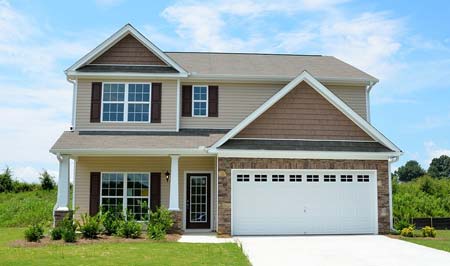
Vastu for Your Residence
The Science of Vastu for Residence
The science of Vastu for residence is based on the principle that the universe is made up of five elements, namely earth, water, fire, air, and space. According to Vastu Shastra, these elements influence the energy flow within and around a building, affecting the physical, mental, and emotional well-being of its occupants. The proper alignment of these elements is crucial to create a harmonious living space that promotes positivity, health, and prosperity.
Another fundamental aspect of Vastu Shastra for residence is the importance of directions. Each direction is associated with a specific element, planet, and deity, and has its significance. The positioning of different rooms and spaces in a residence plays a crucial role in balancing the energy flow, and hence, it is essential to consider the direction while designing and constructing a home.
Some of the critical areas of a residence and their importance according to Vastu Shastra:
A. Entrance
The entrance of a residence is the first point of contact with the outside world, and it plays a crucial role in attracting positive energy and creating a welcoming atmosphere. Here are some essential Vastu tips to consider while designing the entrance of your residence:
- Direction: The entrance should face a favorable direction to attract positive energy into the home. The ideal directions for the entrance are east, north, or northeast. Avoid having the entrance in the south or southwest direction.
- Size and Shape: The entrance should be proportionate to the size of the house and not too big or small. It should also have a regular shape, preferably a rectangle or square. Avoid irregularly shaped entrances or entrances that are too small or too big.
- Door: The entrance door should be made of high-quality wood and should open inwards. Avoid having a door that opens outwards, as it can obstruct the energy flow. The door should also be well-maintained, without any cracks or squeaks.
- Threshold: The threshold of the entrance should be at the same level as the floor to avoid tripping. Avoid having a raised or sunken threshold.
- Decorations: The entrance should be decorated with auspicious symbols such as Om, Swastik, or a traditional Toran. Avoid having any negative symbols or decorations that are too bright or flashy.
- Lighting: The entrance should be well-lit to create a welcoming atmosphere. Avoid having a dimly lit entrance or no lighting at all.
B. Living Room
The living room is the heart of a residence, where the family spends most of their time together. Here are some essential Vastu tips to consider while designing the living room of your residence:
- Direction: The living room should ideally be located in the east or north direction. These directions promote positive energy flow and create a peaceful and harmonious living environment.
- Shape: The living room should have a regular shape, preferably a rectangle or square. Avoid irregularly shaped living rooms or living rooms that are too small or too big.
- Furniture Placement: The furniture in the living room should be arranged in a way that allows free movement and conversation. The sofa should be placed against a solid wall, and the seating arrangement should be such that it faces east or north.
- Lighting: The living room should be well-lit to create a welcoming atmosphere. Natural light is ideal, but if that is not possible, then use artificial lighting that mimics natural light.
- Colors: The living room walls should be painted with light and soothing colors like light blue, green, or beige. Avoid dark and bold colors like red or black.
- Decorations: The living room should be decorated with objects that promote positive energy and create a peaceful environment. Decorate the living room with paintings or artwork that depicts nature, such as landscapes, waterfalls, or sunsets.
C. Kitchen
The kitchen is considered the most vital part of any residence since it is where food is prepared and cooked, which provides nourishment to the body. Here are some essential Vastu tips to consider while designing the kitchen of your residence:
- Location: The kitchen should ideally be located in the southeast corner of the house. Avoid having the kitchen in the northeast or southwest corners.
- Cooking Direction: The person cooking in the kitchen should face towards the east while cooking. This helps in better digestion and promotes positivity.
- Sink and Stove Placement: The sink and stove should be placed in a way that they are not directly opposite to each other. Ideally, the sink should be placed in the northeast direction and the stove in the southeast direction.
- Ventilation: The kitchen should have proper ventilation to allow for the easy flow of fresh air. This helps in keeping the kitchen clean and fresh.
- Colors: The kitchen walls should be painted with light and bright colors such as yellow, orange, or green. These colors are believed to promote positivity and enhance the appetite.
- Storage: The kitchen should have ample storage space for keeping utensils, spices, and other kitchen essentials. Proper storage helps in keeping the kitchen organized and free from clutter.
D. Bedrooms
The bedroom is where we spend a significant part of our day, and it is essential to ensure that it is designed in a way that promotes rest and relaxation. Here are some essential Vastu tips to consider while designing the bedroom of your residence:
- Direction: The bedroom should ideally be located in the southwest corner of the house. This direction promotes stability, grounding, and peacefulness.
- Bed Placement: The bed should be placed in a way that the headrests towards the east or south direction. Avoid placing the bed under a beam or in a way that the feet point towards the door.
- Colors: The bedroom walls should be painted with light and soothing colors like blue, green, or lavender. These colors promote rest, relaxation, and tranquility.
- Clutter: The bedroom should be free from any clutter or unnecessary items. This helps in promoting rest and relaxation.
- Lighting: The bedroom should have soft and gentle lighting to create a peaceful ambiance. Avoid bright or harsh lighting in the bedroom.
- Mirrors: Mirrors should be avoided in the bedroom, especially those that reflect the bed. Mirrors are believed to cause restlessness and disturb sleep.
E. Bathrooms
The bathroom is an essential part of any residence, and it is important to ensure that it is designed in a way that promotes cleanliness and hygiene. Here are some essential Vastu tips to consider while designing the bathroom of your residence:
- Location: The bathroom should ideally be located in the west or northwest corner of the house. Avoid having the bathroom in the northeast or southwest corners.
- Ventilation: The bathroom should have proper ventilation to allow for the easy flow of fresh air. This helps in keeping the bathroom clean and fresh.
- Colors: The bathroom walls should be painted with light and soothing colors like white or light blue. Avoid dark or bold colors in the bathroom.
- Drainage: The bathroom should have proper drainage to ensure that water does not accumulate or stagnate. This helps in promoting cleanliness and hygiene.
- Mirror Placement: Mirrors should be placed in a way that they do not reflect the toilet seat. This is believed to promote cleanliness and hygiene.
- Storage: The bathroom should have adequate storage space for keeping toiletries and other essentials. Proper storage helps in keeping the bathroom organized and free from clutter.
By incorporating these Vastu tips, you can create a clean and hygienic environment in your bathroom. Remember that the bathroom is a space for cleanliness and hygiene, and it should be designed and maintained with care to promote good health and well-being.
F. Balconies
Balconies are a great place to relax and enjoy the outdoors from the comfort of your home. Here are some essential Vastu tips to consider while designing the balcony of your residence:
- Direction: The balcony should ideally be located in the north or east direction. This allows for ample sunlight and positive energy to enter the house.
- Size: The balcony should not be too small or too large in size. It should be proportionate to the size of the room.
- Flooring: The flooring of the balcony should be even and smooth. Avoid using broken or uneven tiles.
- Furniture Placement: The furniture in the balcony should be placed in a way that it faces towards the north or east direction. This helps in promoting positivity and tranquility.
- Plants: Balconies are a great place to keep plants and greenery. Make sure to keep the plants in the north or east direction of the balcony.
- Lighting: The balcony should have adequate lighting to create a peaceful ambiance. Soft and gentle lighting is ideal for balconies.
G. Lighting
Lighting is an important aspect of any residence, as it helps in creating a peaceful and positive ambiance. Here are some essential Vastu tips to consider while designing the lighting of your residence:
- Natural Light: Your residence should have adequate natural light, which helps in promoting positivity and well-being. Make sure to keep the windows and doors clean and free from obstructions.
- Artificial Lighting: The artificial lighting in your residence should be placed in a way that it is neither too dim nor too bright. Soft and gentle lighting is ideal for bedrooms and living rooms.
- Lamp Placement: Lamps should be placed in the southeast corner of the room to promote positivity and good health. Avoid placing lamps in the northeast direction.
- Chandeliers: Chandeliers should be placed in the center of the room and should be symmetrical in shape. Avoid using sharp or pointed chandeliers.
- Colored Lights: Colored lights should be used sparingly and only for decorative purposes. They should not be used as the main source of lighting in the room.
- Direction: The direction of the light should be in the east or north direction. Avoid using lights in the southwest direction.
H. Plants
Plants are a great way to bring positive energy and fresh air into your residence. Here are some essential Vastu tips to consider while placing plants in your residence:
- North or East Direction: Placing plants in the north or east direction of your residence is considered auspicious as it promotes positivity and good health.
- Avoid Plants in Bedroom: While it’s okay to have a small plant in your bedroom, avoid having too many plants in the bedroom as it may disturb the positive energy flow.
- Big Trees: Large trees or plants should be avoided in the east or north direction as they may block the natural light.
- Thorns: Plants with thorns or prickly leaves should be avoided inside the house as they create negative energy.
- Fruit Plants: Fruit plants like lemon, orange, and mango are considered to bring good luck and prosperity when placed in the northeast corner of the house.
- Cactus Plants: Cactus plants should be avoided inside the house as they are believed to bring negative energy.
- Bonsai Plants: Bonsai plants should be avoided inside the house as they symbolize stunted growth and may create negative energy.
Vastu Remedies for Common Problems
Despite following Vastu guidelines, some common problems may arise in your residence. Here are some Vastu remedies to tackle these issues:
Cluttered House: A cluttered house can create negative energy and block the flow of positive energy. To remedy this, declutter your house regularly and get rid of unwanted items.
Blocked Drainage: Blocked drainage can lead to stagnant water and create negative energy. To remedy this, make sure to clear out the drainage system regularly.
Broken or Leaky Faucets: Broken or leaky faucets represent financial loss and should be repaired immediately.
Cracks on Walls: Cracks on walls represent negative energy and should be repaired as soon as possible.
South-West Direction: If your residence has a major issue in the south-west direction, it may lead to financial and health problems. To remedy this, place a brass pyramid in the south-west direction.
Mirror Placement: Mirrors should not be placed opposite the main door as it may reflect the positive energy outside the house. To remedy this, cover the mirror with a cloth or replace it with a painting.
Uncomfortable Sleeping Position: Sleeping with your feet pointing towards the door is considered inauspicious. To remedy this, try to rearrange your bed in a way that your head points towards the east or south direction.
Vastu for Different Types of Residences
Vastu principles can be applied to different types of residences, including apartments, villas, and independent houses. Here are some Vastu guidelines to consider for each type:
A. Apartments
- The main entrance of the apartment should be located in the north, east, or north-east direction.
- The kitchen should be located in the south-east direction, and the bedroom should be in the south-west direction.
- Avoid placing the bedroom in the north-east direction, as it may lead to health problems.
- Make sure that the common walls in the apartment are not shared with the toilet or bathroom of the adjacent flat.
B. Villas
- The main entrance of the villa should face east or north direction.
- The living room should be in the east or north direction, and the bedroom should be in the south-west direction.
- The kitchen should be in the south-east direction, and the dining room should be in the west direction.
- Avoid having a bedroom in the south-east direction, as it may lead to health problems.
C. Independent Houses
- The main entrance of the house should face east or north direction.
- The living room should be in the east or north direction, and the bedroom should be in the south-west direction.
- The kitchen should be in the south-east direction, and the dining room should be in the west direction.
- Avoid having a bedroom in the south-east direction, as it may lead to health problems.
- Make sure that the house is well-ventilated with natural light.
By incorporating these Vastu guidelines, you can create a harmonious and positive environment in different types of residences. Remember that Vastu is all about balancing the energies in your living space, and these guidelines can help you achieve that.
FAQ about Vastu for Residence
Q: What is Vastu for Residence?
A: Vastu for Residence is the science of designing and arranging your living space in a way that creates a positive and harmonious environment. It involves incorporating Vastu guidelines for different rooms and areas of your home, such as the entrance, living room, kitchen, bedrooms, bathrooms, and balconies.
Q: What are the benefits of following Vastu for Residence?
A: Following Vastu for Residence can help to create a positive and harmonious environment in your home. It can promote good health, happiness, and prosperity for the occupants of the house. It can also help to minimize negative energy and promote positive energy flow in the house.
Q: Can Vastu for Residence be applied to all types of homes?
A: Yes, Vastu for Residence can be applied to all types of homes, including apartments, villas, and independent houses. However, the guidelines may vary slightly depending on the type of home.
Q: Is Vastu for Residence a religious practice?
A: While Vastu for Residence has its roots in ancient Indian scriptures and culture, it is not a religious practice. It is a science that is based on principles of energy flow and balance.
Q: Can Vastu for Residence be applied to a home that is already built?
A: Yes, Vastu for Residence can be applied to a home that is already built. However, it may require some modifications to align with Vastu guidelines.
Q: Is it necessary to consult a Vastu expert for applying Vastu for Residence?
A: While consulting a Vastu expert can be helpful, it is not necessary to do so. There are many Vastu guidelines and tips available online and in books that can be easily followed by homeowners.
Q: Can Vastu for Residence guarantee success and prosperity?
A: While following Vastu for Residence can promote positive energy flow and minimize negative energy, it cannot guarantee success and prosperity. It is one of the many factors that can contribute to a positive and harmonious living environment.
Conclusion
According to Vastu principles to optimize the flow of positive energy. While consulting a Vastu expert can be helpful, there are many resources available for homeowners to easily apply Vastu principles themselves. By incorporating Vastu for Residence in your home, you can create a space that is not only beautiful and functional but also promotes a sense of peace and balance.
Read More
- Kitchen Vastu for East Facing House
- Designing A Profitable South Facing Shop With Vastu Principles
- The Ultimate Guide to Vastu for T-Point Houses
- Kitchen Vastu for West-Facing House: Pros and Cons
- Designing Your Septic Tank As Per Vastu