
Welcome to our comprehensive study abroad program in Canada! This program offers a unique opportunity to experience Canada’s rich culture, world-renowned academic institutions, and unparalleled natural beauty. Canada is a country that is known for its excellent standard of living, multicultural communities, and diverse industries. Our program is designed to provide students with a comprehensive and immersive experience that goes beyond traditional classroom learning.
Through this program, students will have the chance to explore a variety of academic disciplines, participate in cultural activities and excursions, and gain work experience through internships and co-op opportunities. Our program is designed to help students develop a global perspective, gain valuable skills, and prepare for future career opportunities.
Canada is a welcoming country that values diversity, and we believe that our program provides an ideal environment for international students to feel at home and build lasting connections with their peers, local communities, and industry professionals. Our team is committed to providing comprehensive support to students throughout their study abroad journey, from the initial application process to post-program support.
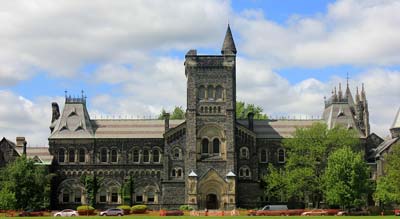
Study in Canada
We invite you to join us in this exciting and transformative journey of studying and living in Canada.
Program Details
1. Program duration, start and end dates Program location(s)
i. Program duration
The program duration for the comprehensive study abroad program in Canada is typically one academic year, which is approximately 8-10 months. However, some institutions may offer shorter or longer programs depending on the academic calendar and specific program requirements.
ii. Start and end dates
The program typically starts in late August or early September and ends in April or May of the following year. Exact start and end dates may vary depending on the institution and program of study. Some institutions may also offer a winter or summer semester, which may have different start and end dates.
iii. Program location(s)
The program may be offered at various institutions across Canada, including universities, colleges, and language schools. The specific location(s) will depend on the institution and program of study chosen by the student. Some popular study abroad destinations in Canada include Vancouver, Toronto, Montreal, and Calgary, among others. Students may have the opportunity to study in multiple locations throughout the program, depending on their academic and personal interests.
2. Curriculum and academic requirements
Curriculum and academic requirements are important aspects of a comprehensive study abroad program in Canada. Here are some details on what to expect:
i. Curriculum
The program curriculum typically consists of a variety of courses and academic areas of focus, which may vary depending on the institution and program of study chosen by the student. Some programs may have a set curriculum, while others may allow students to choose from a range of courses to fit their academic goals and interests. The courses may be offered in various formats, including lectures, seminars, labs, and tutorials.
ii. Academic requirements
Students are typically required to maintain a certain level of academic performance to remain in the program. This may include maintaining a minimum GPA or passing grades in all courses. Attendance requirements may also be in place, and students may be required to participate in academic advising and tutoring as needed. In addition, international students may need to meet specific language proficiency requirements to enroll in courses and interact with faculty and peers.
iii. Transfer of credits
Students may have the opportunity to transfer credits earned during the program to their home institution or other academic institutions. However, the specific requirements for credit transfer may vary depending on the institutions involved and the program of study. It is important for students to discuss credit transfer options with their academic advisors and the program coordinators to ensure that they are meeting the necessary requirements.
Accommodation and living arrangements
Accommodation and living arrangements are important considerations for students participating in a comprehensive study abroad program in Canada. Here are some details on what to expect:
Housing options
The program may offer a variety of housing options for students, depending on the institution and program of study. These may include on-campus housing, homestays, shared apartments, or private residences. Housing options may also vary based on location, with some cities having more housing options than others. Students should review the available housing options and associated costs before making a decision.
On-campus housing
Many institutions offer on-campus housing options, such as residence halls or apartments, for international students. These may include shared or single rooms, and may have various amenities such as dining facilities, laundry rooms, and recreation areas. On-campus housing may provide convenient access to classes and campus resources, as well as the opportunity to meet and socialize with other students.
Homestays
Some institutions may also offer the option of living with a Canadian family through a homestay program. This can provide a unique cultural experience and help students improve their language skills. Homestays may include a private room and meals, and may involve some participation in family activities.
Off-campus housing
Students may also choose to find their own off-campus housing, such as a shared apartment or private residence. This can provide more independence and flexibility, but may require additional effort and expenses to secure.
Costs
The cost of housing and living expenses may vary depending on the location and housing option chosen. Students should carefully review the costs associated with each housing option, and factor in other expenses such as transportation, food, and personal expenses. Some institutions may provide assistance with finding affordable housing options or offer financial aid and scholarships to help cover costs.
Support
The program may provide support and resources to help students find suitable housing options and navigate the housing and living arrangements. Students should be sure to review the available support services and resources, and contact the program coordinators if they need assistance.
Extracurricular activities and excursions
Extracurricular activities and excursions can play an important role in a comprehensive study abroad program in Canada, as they offer opportunities to explore the country, engage in cultural experiences, and socialize with other students. Here are some details on what to expect:
Extracurricular activities
The program may offer a variety of extracurricular activities, such as sports, clubs, cultural events, and community service opportunities. These activities can help students develop new skills, make new friends, and learn more about the local culture. Many institutions have student-run organizations that cater to various interests, and students may also have the opportunity to participate in events and activities outside of the campus.
Excursions
The program may also include excursions to various locations within Canada, such as national parks, museums, historical sites, and other points of interest. These excursions can help students gain a deeper understanding of the country and its culture, as well as create lasting memories. Some programs may also offer excursions to nearby international destinations.
Costs
The cost of extracurricular activities and excursions may vary depending on the activity and location. Some institutions may include these costs in the program fees, while others may require students to pay for certain activities or excursions separately. Students should review the costs associated with each activity or excursion, and factor them into their overall budget.
Safety
Safety is a top priority for any program, and students should be aware of any safety concerns associated with the activities or excursions they choose to participate in. The program coordinators should provide guidance on safety measures and precautions, and students should follow any guidelines or instructions provided.
Benefits
Participating in extracurricular activities and excursions can have numerous benefits for students, including improving language skills, enhancing cultural understanding, building leadership and teamwork skills, and creating lifelong memories. Students should take advantage of these opportunities to get the most out of their study abroad experience in Canada.
Academic Focus
The academic focus of a comprehensive study abroad program in Canada can vary depending on the institution and program of study. However, most programs are designed to provide students with an immersive academic experience that allows them to explore their field of study and gain valuable skills and knowledge. Here are some details on what to expect:
i Course offerings
The program may offer a variety of courses that are specifically designed for international students, as well as courses that are part of the regular curriculum for Canadian students. These courses may cover a wide range of subjects and disciplines, and may be available at various levels, from introductory to advanced.
ii. Field trips and experiential learning
Many programs include field trips and experiential learning opportunities that allow students to apply their classroom learning to real-world situations. For example, students studying environmental science may visit local parks and conservation areas, while students studying business may tour local companies and industries.
iii. Language support
Many programs offer language support services to help international students improve their English language skills. These services may include tutoring, conversation partners, and language workshops.
iv. Research opportunities
Some programs may offer research opportunities for students, such as independent studies, internships, or research assistantships. These opportunities can help students gain valuable experience in their field of study and may lead to future career opportunities.
v. Faculty and mentorship
The program may provide opportunities for students to work closely with faculty members or academic advisors. This can help students navigate the academic program, develop research ideas, and receive guidance on career goals and opportunities.
vi. Assessment and grading
Students will be assessed and graded based on their academic performance. The grading system may differ from what students are accustomed to in their home country, so it is important to review the grading system and academic expectations of the program.
Overall, the academic focus of a comprehensive study abroad program in Canada is designed to provide students with an engaging and rewarding academic experience that challenges them to grow intellectually and personally.
Cultural Experience
A comprehensive study abroad program in Canada provides international students with a unique opportunity to immerse themselves in Canadian culture and gain a deeper understanding of the country’s history, values, and way of life. Here are some details on what to expect:
i. Orientation
The program typically begins with an orientation that introduces students to Canadian culture and society. This may include information on Canadian history, social norms, and customs, as well as practical information on navigating the campus and local community.
ii. Language and cultural exchange
Many institutions offer language and cultural exchange programs that allow international students to connect with Canadian students and families. This can provide an opportunity for students to practice their language skills, learn about local customs and traditions, and form meaningful relationships.
iii. Cultural events and festivals
Canada is known for its diverse and vibrant cultural events and festivals, which provide a rich and immersive experience for international students. Some popular festivals include the Calgary Stampede, Toronto International Film Festival, and Montreal Jazz Festival.
iv. Community service
Many programs offer community service opportunities that allow students to give back to the local community while learning about Canadian society and culture. This may include volunteering at a local charity or organization, or participating in a community service project.
v. Cultural excursions
In addition to community service, the program may offer cultural excursions to museums, historical sites, and other points of interest that showcase Canadian culture and heritage. These excursions can provide a deeper understanding of Canada’s rich history and diverse cultural traditions.
vi. Host families
Some programs offer the option for students to stay with a host family, which can provide a more immersive cultural experience. Students can learn about Canadian family life and customs, as well as practice their language skills in a real-world setting.
Overall, a comprehensive study abroad program in Canada is designed to provide international students with a rich and rewarding cultural experience that deepens their understanding of Canada’s society, history, and culture.
Work Experience
A comprehensive study abroad program in Canada can also provide international students with valuable work experience opportunities. Here are some details on what to expect:
i. Internships
Many institutions offer internship programs that allow students to gain hands-on experience in their field of study. Internships may be available at local companies or organizations, and can provide students with valuable professional connections and work experience.
ii. Co-op programs
Co-op programs are similar to internships, but typically involve a more structured and long-term work experience. Students work for a company or organization for a period of several months, while also completing academic coursework. Co-op programs can provide students with valuable work experience and professional connections, and may also lead to future employment opportunities.
iii. Part-time work
International students in Canada are generally allowed to work part-time while they are studying. This can provide students with an opportunity to earn money, gain work experience, and improve their language skills. However, it is important to be aware of the rules and regulations around working in Canada as an international student.
iv. Networking
Throughout the program, students will have opportunities to network with Canadian professionals in their field of study. This can be a valuable opportunity to make connections, learn about the Canadian job market, and gain insights into potential career paths.
v. Resume and job search support
The program may also offer support and resources for students seeking employment in Canada. This may include resume review services, job search workshops, and other career development resources.
Overall, a comprehensive study abroad program in Canada can provide international students with valuable work experience opportunities that can help them build their professional skills, make important connections, and prepare for future career opportunities.
Logistics and Support
A comprehensive study abroad program in Canada typically provides a range of logistics and support services to help international students adjust to life in a new country. Here are some details on what to expect:
i. Visa and immigration support
The program will typically provide guidance and support with visa and immigration requirements, including assistance with the visa application process and advice on immigration regulations.
ii. Airport pickup and transportation
Many programs offer airport pickup and transportation services to help students get from the airport to their accommodation. This can be particularly helpful for students who may be unfamiliar with the local area or who are arriving late at night.
iii. Housing and accommodation
The program will typically provide advice and assistance with finding and securing suitable housing and accommodation. This may include information on on-campus and off-campus housing options, as well as advice on finding roommates and navigating the local rental market.
iv. Health and insurance
The program may provide information on health insurance requirements and options, as well as advice on accessing healthcare services in Canada. This can be particularly important for international students who may be unfamiliar with the Canadian healthcare system.
v. Academic support
The program will typically provide academic support services to help students succeed in their studies. This may include tutoring, study groups, academic advising, and other resources to help students achieve their academic goals.
vi. Cultural and social support
The program may provide social and cultural activities and events to help students integrate into the local community and meet other students. This can include cultural excursions, social events, and clubs and organizations that cater to international students.
vii. Emergency support
The program will typically provide emergency support services to help students in the event of a crisis or emergency. This may include access to 24-hour emergency contact information, as well as advice and assistance with issues such as lost passports, medical emergencies, and other urgent situations.
Overall, a comprehensive study abroad program in Canada is designed to provide international students with the logistics and support they need to adjust to life in a new country and succeed in their studies. With guidance and resources on everything from housing and transportation to health and safety, students can focus on their studies and make the most of their study abroad experience in Canada.
Application and Admission
The application and admission process for a comprehensive study abroad program in Canada will vary depending on the institution and program. However, here are some general steps to expect:
i. Research programs
Start by researching different study abroad programs in Canada that align with your academic and personal goals. Look at the program website and read the program details, including requirements, costs, and application deadlines.
ii. Prepare application materials
Once you have identified a program that interests you, review the application requirements carefully. You may need to provide academic transcripts, letters of recommendation, a personal statement, and other supporting documents. You may also need to demonstrate English language proficiency, depending on the program.
iii. Submit application
Complete the online application form and submit all required materials by the program deadline. Be sure to carefully follow the instructions for submitting materials, and keep track of any confirmation or reference numbers.
iv. Wait for admission decision
Once your application is complete, the institution will review your materials and make an admission decision. This process may take several weeks or even months, depending on the program and institution.
v. Accept admission offer
If you are offered admission, you will typically have a period of time to accept the offer and submit any required paperwork, such as a deposit.
vi. Apply for a study permit
International students who plan to study in Canada for more than six months will need to apply for a study permit. The program may provide guidance and support with this process, which can take several weeks or even months to complete.
Overall, the application and admission process for a comprehensive study abroad program in Canada can be complex and time-consuming. However, with careful planning and attention to detail, you can maximize your chances of being admitted to the program of your choice and start your study abroad journey in Canada.
Eligibility requirements
Eligibility requirements for a comprehensive study abroad program in Canada will vary depending on the institution and program. However, here are some general requirements to expect:
Academic requirements
Most programs will require applicants to have a minimum level of academic achievement, such as a certain GPA or specific academic qualifications. You may also be required to take specific courses or have a certain level of proficiency in a particular subject.
Language requirements
As English and French are the official languages of Canada, most programs will require international students to demonstrate proficiency in either English or French. This may include taking a standardized language test such as TOEFL or IELTS, or providing other evidence of language proficiency.
Age requirements
Some programs may have minimum age requirements, such as being at least 18 years old or having completed high school.
Visa requirements: International students will need to obtain a study permit to study in Canada. This may require meeting specific requirements such as being accepted to a designated learning institution (DLI) in Canada and having sufficient funds to support themselves during their studies.
Health requirements
International students may be required to provide evidence of their health status, including proof of immunization and medical examinations.
Financial requirements
International students will need to have sufficient funds to support themselves during their studies in Canada. This may include providing evidence of financial resources such as bank statements or scholarships.
Overall, the eligibility requirements for a comprehensive study abroad program in Canada will vary depending on the program and institution. Be sure to carefully review the program requirements and eligibility criteria to ensure that you meet the necessary qualifications before applying.
Program fees and expenses
The program fees and expenses for a comprehensive study abroad program in Canada will vary depending on the institution, program, and location. Here are some of the main costs to consider:
i. Tuition fees
The tuition fees for a comprehensive study abroad program in Canada will depend on the institution and program. Be sure to carefully review the program website for detailed information about tuition costs and any additional fees.
ii. Accommodation
Accommodation costs can vary significantly depending on the location and type of accommodation. Options may include on-campus housing, homestays, or private apartments. Be sure to carefully review the program website for information about the available options and costs.
iii. Transportation
Transportation costs can include airfare to and from Canada, as well as local transportation such as bus or train tickets. Be sure to factor in transportation costs when budgeting for your study abroad program.
iv. Food and other living expenses
You will need to budget for daily living expenses such as food, clothing, and personal items. Be sure to research the cost of living in the location where you will be studying to get an accurate estimate of these expenses.
v. Insurance
You may be required to have health insurance while studying in Canada. Be sure to carefully review the program website for information about insurance requirements and costs.
vi. Visa and other fees
International students may need to pay additional fees such as visa application fees, study permit fees, and other administrative costs.
Overall, the program fees and expenses for a comprehensive study abroad program in Canada can add up quickly. Be sure to carefully review the program website and budget for all necessary expenses to ensure that you are fully prepared for the cost of your study abroad program.
Scholarships and financial aid options
There are several scholarships and financial aid options available for international students who wish to study in Canada. Here are a few options to consider:
Institution-specific scholarships: Many Canadian universities and colleges offer scholarships and bursaries to international students. These scholarships can be based on academic achievement, leadership potential, financial need, or other criteria. Check with your intended institution’s website to learn about scholarships available.
Government-funded scholarships: The Canadian government offers several scholarship programs for international students. These programs can be based on academic achievement, leadership potential, or other criteria. The Canadian Commonwealth Scholarship Program, the Vanier Canada Graduate Scholarships, and the Trudeau Foundation Scholarships are a few examples.
Third-party scholarships: Several non-government organizations and private organizations offer scholarships and grants for international students. These can be based on a variety of criteria such as academic achievement, field of study, or personal background.
Student loans: International students may be eligible for student loans in Canada. These loans are provided by the Canadian government and can be used to cover tuition fees, accommodation costs, and other expenses.
Work-study programs: Some institutions in Canada offer work-study programs that allow students to work on campus to earn money to cover their living expenses.
It is important to research the scholarship and financial aid options available for international students before applying to a study abroad program in Canada. Check with the institution, Canadian government websites, and other resources to determine what financial support may be available to you.
Conclusion
Studying abroad in Canada can be an incredibly rewarding experience, providing opportunities to experience a new culture, learn from world-class educators, and gain valuable skills and knowledge that can benefit your future career. A comprehensive study abroad program can offer a well-rounded experience that includes a strong academic curriculum, cultural immersion, work experience, and extracurricular activities.
While the cost of a study abroad program in Canada can be significant, there are numerous scholarships and financial aid options available to international students that can help offset the expenses. It is important to carefully research these options and plan ahead to ensure that you are fully prepared for the financial aspect of studying abroad.
Overall, a comprehensive study abroad program in Canada can be an excellent investment in your future, providing a unique opportunity to gain knowledge, skills, and experience in a new and exciting environment.
Read More
- Best Countries to Study Abroad: Global Education
- Best Countries to Study Abroad for Indian Students
- Free Education Abroad: A Viable Option for Indian Students
- Best Medical Colleges in Abroad for Indian Students
- Student Perspectives on Studying Medicine Abroad