
Studying Medicine Abroad: In recent years, an increasing number of students have been opting to pursue medical education outside of their home countries. This trend reflects a growing interest in exploring diverse healthcare systems, gaining exposure to unique patient populations, and broadening one’s cultural and linguistic horizons.
While there are undoubtedly many benefits to studying medicine abroad, there are also numerous challenges and potential drawbacks that students should carefully consider before making this important decision. In order to better understand the experiences and perspectives of students who have studied medicine abroad, this paper will explore the various benefits and challenges associated with this trend, as well as insights from interviews or surveys of students who have taken this path.
By examining these perspectives, this paper aims to offer guidance and recommendations to students who are considering studying medicine abroad, as well as to inform the larger conversation around the future of medical education and global healthcare.
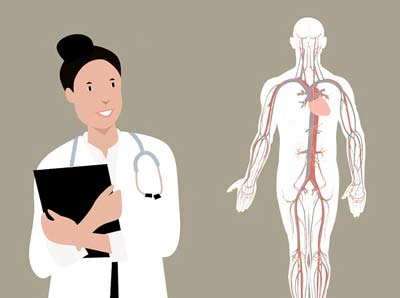
Studying Medicine Abroad
Brief overview of the growing trend of studying medicine abroad
The trend of studying medicine abroad has been growing rapidly in recent years. With rising tuition costs, limited availability of spots in domestic medical schools, and a desire for exposure to diverse healthcare systems and clinical experiences, students are increasingly turning to foreign medical schools to pursue their education.
This trend is not without its challenges, however, as students must navigate language barriers, cultural differences, and adapt to a new academic system. Nonetheless, the appeal of studying medicine abroad, coupled with the potential for cost savings and career opportunities, is likely to continue to drive this trend in the future.
Importance of understanding student perspectives on this trend
Understanding student perspectives on the trend of studying medicine abroad is crucial for several reasons. First, by examining the experiences and perspectives of students who have chosen to pursue medical education abroad, we can gain insight into the potential benefits and challenges of this path. This information can help future students make informed decisions about their own educational paths, as well as provide guidance and recommendations for navigating the various challenges of studying medicine abroad.
Second, understanding student perspectives on studying medicine abroad can help inform larger conversations around the future of medical education and global healthcare. As more and more students choose to pursue medical education outside of their home countries, it is important to consider the impact this trend may have on the global healthcare workforce, as well as the implications for the quality and accessibility of healthcare around the world.
Finally, by understanding student perspectives on studying medicine abroad, we can gain a deeper appreciation for the diversity of perspectives, experiences, and cultural backgrounds that shape the global healthcare landscape. This understanding is essential for promoting cross-cultural understanding and collaboration, and for building a more equitable and sustainable global healthcare system.
Benefits of studying medicine abroad
There are several benefits to studying medicine abroad, including:
1. Exposure to diverse healthcare systems and cultures: Studying medicine abroad provides an opportunity to experience different healthcare systems and cultural practices. This exposure can broaden a student’s perspective and understanding of healthcare practices, allowing them to develop a more nuanced approach to patient care.
2. Access to clinical experiences and patient populations not available at home: Students who study medicine abroad may have the opportunity to work with patient populations and in clinical settings that are not available in their home countries. This can be particularly valuable for students who are interested in pursuing careers in global health or working with underserved populations.
3. Opportunity to learn a new language and gain a global perspective: Studying medicine abroad often involves immersion in a new language and culture. This can be a valuable experience for students who are interested in developing their language skills and gaining a deeper understanding of global healthcare systems.
4. Potential to save money on tuition and living expenses: In many cases, studying medicine abroad can be more affordable than studying in one’s home country, particularly for students who choose to study in developing countries. This can be an important consideration for students who are facing high tuition costs in their home countries.
Overall, studying medicine abroad can offer a range of benefits for students, from exposure to new cultures and healthcare systems to cost savings and unique clinical experiences.
Challenges of studying medicine abroad
While studying medicine abroad offers many benefits, there are also several challenges that students may encounter. Some of these challenges include:
1. Language barriers
Studying medicine in a foreign country often involves learning a new language, which can be a significant challenge for students who are not fluent in the local language. This can make it difficult to communicate with patients and healthcare providers, and may also impact a student’s ability to fully engage with the curriculum.
2. Cultural differences
Studying medicine in a foreign country often involves navigating cultural differences that can impact how healthcare is delivered and received. This can include differences in attitudes towards illness and healthcare, as well as different approaches to patient care and communication.
3. Adapting to a new academic system
Medical education can vary significantly from country to country, and students who study medicine abroad may need to adapt to a new academic system that is different from what they are used to. This can involve learning new study habits, adjusting to new teaching styles, and adapting to different grading systems.
4. Obtaining residency positions and licensure
Graduates of foreign medical schools may face additional challenges when it comes to obtaining residency positions or licensure in their home country. This can limit career opportunities and make it more difficult to practice medicine in certain locations.
5. Homesickness and culture shock
Studying medicine abroad can be a lonely and isolating experience, particularly for students who are far from home and away from their support systems. Homesickness and culture shock can be significant challenges for students who are adjusting to a new country and academic system.
Overall, studying medicine abroad can be a rewarding and enriching experience, but it is not without its challenges. Students who are considering studying medicine abroad should carefully consider these challenges before making a decision, and should be prepared to adapt and be flexible in order to succeed.
Recommendations for students considering studying medicine abroad
If you are considering studying medicine abroad, here are some recommendations to help you navigate the process:
1. Research your options
There are many different medical schools around the world, each with their own unique features and requirements. Researching different schools and programs can help you find the one that is the best fit for your goals and needs.
2. Consider the cost
Studying medicine abroad can be more affordable than studying in your home country, but there are still costs to consider. Make sure you understand the total cost of attending a foreign medical school, including tuition, living expenses, and travel costs.
3. Understand the academic requirements
Medical education can vary significantly from country to country, and different schools may have different requirements for admission and graduation. Make sure you understand the academic requirements for the schools you are considering, and be prepared to meet them.
4. Learn the language
If you are planning to study in a country where the primary language is not your native language, consider learning the language before you arrive. This can help you communicate more effectively with patients and healthcare providers, and can also help you better understand the curriculum.
5. Be prepared for cultural differences
Studying medicine abroad may involve navigating cultural differences that can impact how healthcare is delivered and received. Be prepared to adapt to new cultural practices and attitudes, and be respectful of the local customs and traditions.
6. Network and build relationships
Building relationships with other students, faculty, and healthcare providers can be a valuable way to build your network and gain support while studying abroad. Attend events and conferences, and seek out opportunities to connect with others in the field.
7. Stay connected to your support system
Studying medicine abroad can be a lonely and isolating experience, particularly if you are far from your support system. Stay connected to your family and friends back home, and consider joining local organizations or groups to build new connections in your host country.
Overall, studying medicine abroad can be a challenging but rewarding experience. By taking the time to research your options, understand the academic requirements, and prepare for the cultural differences and challenges ahead, you can set yourself up for success and make the most of this unique educational opportunity.
Tips for adapting to a new academic and cultural environment
Adapting to a new academic and cultural environment can be challenging, but there are several things you can do to make the process easier. Here are some tips:
1. Be open-minded
Approaching your new academic and cultural environment with an open mind can help you better understand and appreciate the differences you encounter. This can help you adapt more quickly and make the most of your experience.
2. Seek out support
Connecting with other students, faculty, and healthcare providers can be a valuable way to build your support system and gain insights into your new environment. Attend events and conferences, and seek out opportunities to connect with others in the field.
3. Ask questions
Don’t be afraid to ask questions and seek out information about the academic and cultural practices you encounter. This can help you better understand how things work, and can also demonstrate your interest and engagement in the program.
4. Learn the language
If the primary language of your new academic and cultural environment is not your native language, consider learning the language before you arrive. This can help you communicate more effectively with patients and healthcare providers, and can also help you better understand the curriculum.
5. Embrace new experiences
Studying medicine abroad can offer unique opportunities to experience new things and learn about different cultures. Embrace these experiences and try new things, whether it’s trying new foods, exploring local landmarks, or learning new customs.
6. Stay connected to your home country
Staying connected to your home country can help you feel less isolated and make the transition easier. Use technology to stay in touch with family and friends, and consider joining local organizations or groups to connect with others from your home country.
Adapting to a new academic and cultural environment can be a challenging but rewarding experience. By being open-minded, seeking out support, asking questions, and embracing new experiences, you can make the most of your time abroad and gain valuable insights and experiences that will serve you well in your future medical career.
Guidance on planning for residency and licensure after graduation
Planning for residency and licensure after graduation is an important part of studying medicine abroad. Here are some guidance on how to prepare for this:
Understand the requirements
Residency and licensure requirements can vary significantly from country to country. It’s important to understand the requirements of the country where you plan to practice medicine, as well as the requirements of any other countries where you may want to practice in the future.
Network and build relationships
Building relationships with other students, faculty, and healthcare providers can be a valuable way to build your network and gain support while studying abroad. Attend events and conferences, and seek out opportunities to connect with others in the field.
Research residency programs
Start researching residency programs early on, so that you can make an informed decision about where to apply. Consider factors such as the program’s reputation, location, and the quality of the education and training.
Take advantage of elective rotations
Elective rotations can offer valuable experience and insights into different medical specialties. Consider taking elective rotations in specialties that interest you, or that you think will be particularly valuable for your future career.
Prepare for licensure exams
Licensure exams are an important part of becoming a licensed medical professional. Make sure you understand the requirements for licensure exams in your target country, and prepare accordingly by studying for the exam and taking practice tests.
Stay up-to-date with medical research
Staying up-to-date with the latest medical research can help you stay current with developments in your field and build your knowledge base. Consider subscribing to medical journals, attending conferences, or joining professional organizations to stay informed.
Seek out mentors
Mentors can provide valuable guidance and support as you navigate the process of planning for residency and licensure. Consider reaching out to mentors in your field, whether they are faculty members, healthcare providers, or alumni of your program.
Overall, planning for residency and licensure after graduation is an important part of studying medicine abroad. By understanding the requirements, building relationships, researching residency programs, preparing for licensure exams, staying up-to-date with medical research, and seeking out mentors, you can set yourself up for success and make the most of your educational experience abroad.
Conclusion
Studying medicine abroad can be a valuable experience for students, offering unique opportunities for personal and professional growth. However, it can also come with its own set of challenges. Understanding student perspectives on this growing trend can help to inform best practices for students considering studying medicine abroad.
In this article, we have highlighted the benefits of studying medicine abroad, such as gaining a global perspective on healthcare and developing cross-cultural competencies. We have also discussed some of the challenges that students may face, such as adapting to a new academic and cultural environment.
To help students navigate these challenges, we have provided recommendations, including seeking out support, being open-minded, and embracing new experiences. We have also offered guidance on planning for residency and licensure after graduation, which is an important consideration for any student studying medicine abroad.
Ultimately, studying medicine abroad can be a valuable experience that offers unique insights and opportunities for personal and professional growth. By understanding the benefits and challenges of this growing trend, students can make informed decisions about their educational and career paths, and gain the skills and knowledge needed to become successful medical professionals in an increasingly globalized world.
Read More
- Best Countries to Study Abroad: Global Education
- Best Countries to Study Abroad for Indian Students
- Best Medical Colleges in Abroad for Indian Students
- Student Perspectives on Studying Medicine Abroad
- Free Education Abroad: A Viable Option for Indian Students
- Student Perspectives on Studying Medicine Abroad
- Comparison of the quality of education in free education abroad programs