
Vastu Shastra for Home: Creating a harmonious and positive living environment is a desire shared by many homeowners. In this quest for a happy home, Vastu Shastra emerges as a guiding principle. This ancient Indian architectural science offers valuable Vastu tips for a happy home, encompassing various aspects like Vastu Shastra for the bedroom, Vastu remedies, Vastu for health, Vastu for wealth, and Vastu for room arrangement.
Vastu Shastra emphasizes the significance of proper alignment, layout, and positioning of different elements within a home. By following Vastu principles, individuals aim to create a space that promotes well-being, prosperity, and positive energy flow. Understanding and implementing Vastu Shastra for home can bring about a profound transformation, fostering a nurturing and fulfilling living experience.
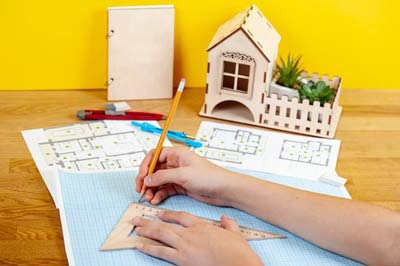
Vastu Shastra for Home
Understanding Vastu Shastra
Vastu Shastra is an ancient Indian architectural science that focuses on creating harmonious and balanced living spaces. It is rooted in the belief that the design, layout, and arrangement of a home can significantly impact the well-being and prosperity of its occupants. By understanding the origins, core principles, and concepts of Vastu Shastra, as well as the influence of the five elements, we can gain insight into the benefits of applying these principles in our homes.
A. Origins and History of Vastu Shastra
Vastu Shastra has its roots in the ancient Indian civilization, dating back thousands of years. It originated from the Vedic texts, which contain ancient knowledge and wisdom. Vastu Shastra was developed as a guide for architects and builders to construct buildings in harmony with nature and cosmic energies. Over time, it has evolved into a comprehensive science that encompasses not only architecture but also interior design, decor, and spiritual practices.
B. Core Principles and Concepts of Vastu Shastra
At the heart of Vastu Shastra are a set of core principles and concepts that guide the design and layout of a home. These principles are based on the belief that our physical environment influences our well-being, success, and overall happiness. The core principles include:
1. Pancha Bhoota: The five elements—earth, water, fire, air, and space—form the foundation of Vastu Shastra. Each element represents specific energies and qualities, and their balanced presence in a home promotes harmony and positive vibrations.
2. Vastu Purusha Mandala: This is a sacred diagram that represents the cosmic energy grid and the divine presence in a space. It divides the space into different zones, each associated with specific functions and elements.
3. Directional Influences: Vastu Shastra assigns significance to the cardinal directions, as each direction is believed to have specific energies associated with it. The proper alignment of rooms and entrances according to these directions is considered vital for positive energy flow.
C. Five Elements and Their Influence on Vastu Shastra
The five elements—earth, water, fire, air, and space—are integral to Vastu Shastra and play a significant role in creating balance and harmony in a home. Here’s a brief overview of their influence:
1. Earth (Prithvi): Represents stability, nourishment, and grounding energy. It is associated with the southwest direction and is connected to the physical structure of the home.
2. Water (Jal): Symbolizes emotional well-being, purification, and abundance. Water bodies, such as ponds or fountains, are often placed in the northeast or north direction to enhance positive energy.
3. Fire (Agni): Signifies transformation, passion, and energy. The presence of a fireplace or the proper placement of the kitchen stove in the southeast direction can promote vitality and success.
4. Air (Vayu): Represents movement, freshness, and circulation of energy. Proper ventilation and airflow throughout the home are crucial for maintaining a healthy and vibrant environment.
5. Space (Akasha): Signifies expansion, openness, and spiritual connection. It is the element that allows energy to flow freely and is associated with the central part of the home.
Vastu for Home Design and Layout
The design and layout of a home play a crucial role in Vastu Shastra, the ancient Indian architectural science. It is believed that the proper arrangement of rooms and the adherence to Vastu principles can significantly impact the energy flow and overall harmony within a home. By understanding the importance of home design and layout in Vastu Shastra, as well as the ideal direction and placement of rooms, guidelines for entrance and main door placement, and recommendations for interior spaces, we can create a living environment that promotes positivity, balance, and well-being.
A. Importance of Home Design and Layout in Vastu Shastra
In Vastu Shastra, the design and layout of a home are considered crucial factors that influence the energy flow and vibrations within the space. The overall arrangement of rooms, the positioning of furniture, and the orientation of the structure can either enhance or disrupt the flow of positive energy. A well-designed home, aligned with Vastu principles, can create a harmonious environment that supports the well-being and success of its occupants.
B. Ideal Direction and Placement of Rooms in a Home
Vastu Shastra provides guidelines on the ideal direction and placement of various rooms within a home. These recommendations are based on the flow of cosmic energies and the influence of the five elements. Here are some key considerations:
1. Master Bedroom: The master bedroom is ideally located in the southwest corner of the house. This placement is believed to promote stability, restful sleep, and harmonious relationships.
2. Children’s Bedroom: The children’s bedroom can be situated in the west or northwest direction. It is advisable to avoid placing bedrooms in the northeast corner, as it is associated with high energy and should be kept more open and clutter-free.
3. Kitchen: The kitchen should be placed in the southeast corner of the house. This direction is associated with the element of fire, which is essential for the energy and nourishment of the household.
4. Living Room: The living room can be positioned in the northeast or north direction, as these areas are considered auspicious for socializing, relaxation, and entertainment.
C. Vastu Guidelines for Entrance and Main Door Placement
The entrance and main door of a home hold great significance in Vastu Shastra, as they are considered the entry points for energy and opportunities. Here are some guidelines to follow:
1. Main Entrance: The main entrance should ideally face the east, north, or northeast direction. This allows for the entry of positive energy and abundance into the home.
2. Door Placement: The main door should be well-lit and easily accessible. It should open inwards and be free from obstructions, allowing for smooth energy flow.
3. Threshold Decor: Decorating the threshold with auspicious symbols or placing a beautiful doormat can enhance positive energy and create a welcoming atmosphere.
D. Vastu Recommendations for Interior Spaces
In addition to the overall design and placement of rooms, Vastu Shastra also offers recommendations for specific interior spaces within a home:
1. Living Room: To create a harmonious living room, it is advisable to place seating arrangements in the south or west direction. Avoid placing heavy furniture in the center of the room to allow for smooth energy flow.
2. Bedroom: Position the bed in the southwest corner of the room, ensuring that it does not align with the door. Keep the space under the bed clean and clutter-free to facilitate positive energy flow.
3. Kitchen: Maintain cleanliness and organization in the kitchen, as it is considered the heart of the home. Ensure that the cooking stove is placed in the southeast corner and avoid positioning it directly in front of the kitchen entrance.
4. Bathroom: Ideally, bathrooms should be located in the west or northwest direction. Ensure proper ventilation, cleanliness, and the use of soothing colors to maintain a positive and hygienic environment.
Vastu for Colors and Materials
Colors and materials play a significant role in Vastu Shastra, the ancient Indian science of architecture and design. The careful selection and use of colors and materials can greatly influence the flow of energy within a space, promoting harmony, balance, and positive vibrations. In this article, we will explore the impact of colors on Vastu energy flow, Vastu-approved color choices for different rooms, the significance of materials in Vastu Shastra, and how to choose the right materials for flooring, furniture, and decor in alignment with Vastu principles.
A. Impact of Colors on Vastu Energy Flow
Colors have the power to evoke emotions, affect moods, and influence energy flow within a space. In Vastu Shastra, each color is associated with specific elements and energies. Here are some key points to consider:
1. Red: The color red represents passion, energy, and power. It is associated with the element of fire and is believed to stimulate activity and vitality. Red can be used in spaces where energy and motivation are desired, such as the living room or study.
2. Blue: Blue is associated with calmness, peace, and tranquility. It represents the element of water and is believed to have a soothing effect on the mind and emotions. Blue can be used in bedrooms, meditation areas, or spaces where relaxation is important.
3. Green: Green symbolizes growth, harmony, and balance. It is associated with the element of wood and is believed to promote healing and renewal. Green can be used in areas such as the kitchen or garden to create a sense of freshness and vitality.
B. Vastu-Approved Color Choices for Different Rooms
In Vastu Shastra, each room has its own energy and purpose, and the selection of colors should align with these qualities. Here are some Vastu-approved color choices for different rooms:
1. Living Room: Warm and inviting colors such as shades of yellow, orange, or light brown are recommended for the living room. These colors create a welcoming atmosphere and encourage social interaction.
2. Bedroom: Soft, soothing colors like pastel shades of blue, green, or lavender are ideal for the bedroom. These colors promote relaxation and restful sleep.
3. Kitchen: Bright and vibrant colors like shades of red, orange, or yellow are suitable for the kitchen. These colors stimulate appetite and create an energetic environment for cooking and food preparation.
C. Significance of Materials in Vastu Shastra
Materials used in the construction and decoration of a space also hold significance in Vastu Shastra. The choice of materials can affect the energy flow and overall Vastu compliance. Consider the following:
1. Flooring: Opt for natural materials such as wood or stone for flooring, as they are believed to have grounding and stabilizing qualities. Avoid using materials like tiles or laminates that create a cold and artificial atmosphere.
2. Furniture: Choose furniture made of solid wood or other natural materials. Avoid furniture with sharp edges or excessive clutter, as they can disrupt the flow of energy in a space.
Choosing the Right Materials for Flooring, Furniture, and Decor
When selecting materials for flooring, furniture, and decor, it is important to consider their Vastu compatibility. Here are some general guidelines to follow:
1. Natural and Organic Materials: Choose materials that are natural and eco-friendly, such as bamboo, jute, or organic cotton. These materials are believed to promote a healthier and more balanced environment.
2. Balanced and Harmonious Combinations: Ensure a balance of materials in a space. For example, if you have a lot of metal elements in the decor, balance it out with elements of wood or earth to maintain harmony.
3. Clutter-Free Spaces: Keep the space free from excessive clutter and unnecessary objects. Clutter can hinder the flow of positive energy and create a sense of chaos.
Vastu for Room Functions
Creating a harmonious and balanced living environment is the essence of Vastu Shastra, an ancient Indian architectural science. Vastu takes into account the different functions of each room in a home and provides guidelines to optimize the energy flow for specific purposes. In this article, we will explore Vastu guidelines for the bedroom, recommendations for a home office, principles for the kitchen, and tips for the living room. By understanding and applying these principles, we can create spaces that promote well-being, productivity, and positive energy flow.
A. Vastu Guidelines for the Bedroom
The bedroom is a place of rest and rejuvenation, and its design and arrangement can significantly impact our quality of sleep and overall well-being. Here are some Vastu guidelines to consider for the bedroom:
1. Bed Placement: The bed should be placed in the southwest corner of the room, ensuring that the head is towards the east or south. This positioning is believed to promote restful sleep and harmony.
2. Colors and Lighting: Opt for soothing and relaxing colors such as pastel shades of blue, green, or lavender. Soft, diffused lighting is preferred over harsh or bright lights in the bedroom.
3. Clutter-Free Space: Keep the bedroom tidy and clutter-free to allow for free energy flow. Avoid storing unnecessary items under the bed, as it can disrupt the energy field.
B. Vastu Recommendations for the Home Office
In today’s digital age, many people have the convenience of working from home. To create a productive and conducive work environment, here are some Vastu recommendations for the home office:
1. Direction and Placement: The home office should ideally be located in the northern or eastern part of the house. This direction is believed to enhance focus, concentration, and mental clarity.
2. Desk Positioning: Place the desk in such a way that you have a solid wall behind you for support. Avoid sitting with your back towards a window or door, as it can create distractions and disrupt the flow of energy.
3. Organized Space: Keep the home office organized and clutter-free. Use storage solutions to maintain a neat and tidy workspace, as a cluttered environment can inhibit productivity and creativity.
C. Vastu Principles for the Kitchen
The kitchen is considered the heart of the home, and its design and arrangement can have a significant impact on the health and abundance of the household. Here are some Vastu principles to follow for the kitchen:
1. Placement of the Kitchen: The kitchen should ideally be located in the southeast corner of the house. This direction is associated with the element of fire, which is essential for cooking.
2. Gas Stove Positioning: Place the gas stove in the southeast corner of the kitchen, facing east. This positioning is believed to enhance the flow of positive energy and promote good health.
3. Cleanliness and Organization: Keep the kitchen clean and organized to maintain a positive energy flow. Dispose of expired food items, keep countertops clutter-free, and ensure proper ventilation to maintain a fresh and vibrant space.
D. Vastu Tips for the Living Room
The living room is where we entertain guests, spend time with family, and relax. It sets the tone for the overall ambiance of the home. Here are some Vastu tips to create a welcoming and positive atmosphere in the living room:
1. Furniture Placement: Arrange the furniture in a way that promotes easy conversation and interaction. Avoid placing furniture with sharp corners, as it can create negative energy.
2. Colors and Decor: Choose warm and inviting colors for the living room, such as shades of yellow, orange, or earthy tones. Incorporate elements of nature, such as plants or natural artwork, to bring in positive energy.
3. Balanced Elements: Ensure a balance of elements in the living room. For example, have a mix of soft furnishings for comfort (water element) and solid furniture for stability (earth element).
Vastu for Energy Flow and Balance
In the realm of Vastu Shastra, the ancient Indian science of architecture and design, one of the fundamental principles is the flow of energy. A well-designed space with balanced energy flow can positively impact various aspects of our lives, including our physical and mental well-being, relationships, and overall prosperity. In this article, we will delve into the concept of energy flow in Vastu Shastra, explore ways to correct energy imbalances using Vastu remedies, discuss the placement of mirrors, plants, and water features to enhance positive energy, and highlight the importance of creating a Vastu-friendly garden or outdoor space.
A. Understanding the Flow of Energy in Vastu Shastra
According to Vastu Shastra, every space, whether it is a home, office, or any other building, has its own energy field. The flow of energy, known as “prana” or life force energy, is influenced by various factors such as the placement of rooms, doors, windows, and the arrangement of furniture. Understanding the flow of energy in Vastu Shastra allows us to create spaces that are conducive to positive energy and harmonious living.
Energy imbalances can occur when there are blockages or disruptions in the natural flow of energy. These imbalances can lead to physical, emotional, and financial challenges. Fortunately, Vastu Shastra offers remedies to correct these imbalances and restore the harmonious flow of energy.
B. Placement of Mirrors, Plants, and Water Features for Positive Energy
Mirrors, plants, and water features are integral elements in Vastu Shastra for enhancing positive energy in a space. Here’s how you can use them effectively:
1. Mirrors: Mirrors are powerful tools for expanding and reflecting energy. They can be strategically placed to optimize natural light, create a sense of spaciousness, and deflect negative energy. Avoid placing mirrors directly opposite the main entrance or facing the bed in the bedroom, as it can disrupt the energy balance.
2. Plants: Plants have a vital role in purifying the air and infusing positive energy. According to Vastu Shastra, certain plants such as money plants, holy basil, and peace lilies are considered auspicious and can attract positive vibrations. Place plants in areas that need a boost of energy, such as the study or workspace.
3. Water Features: Water features like fountains, ponds, or aquariums are believed to enhance the flow of positive energy. The gentle sound of flowing water can create a soothing ambiance and promote relaxation. However, ensure that the water is clean and well-maintained to avoid stagnant or negative energy.
C. Creating a Vastu-Friendly Garden or Outdoor Space
A Vastu-friendly garden or outdoor space can significantly contribute to the overall energy balance of your home. Here are some key considerations for designing a Vastu-compliant outdoor area:
1. Entrance: Ensure that the entrance to your garden is inviting and well-maintained. Avoid clutter and obstacles that can obstruct the flow of energy.
2. Plant Selection: Choose plants and trees that are in harmony with the surrounding environment. Incorporate a variety of plants representing different elements, such as flowering plants (fire element), lush greenery (earth element), fragrant herbs (air element), and water features (water element).
3. Sitting Areas: Create comfortable and relaxing seating areas where you can unwind and connect with nature. Opt for natural materials like wood or stone for furniture and avoid sharp edges or pointed structures.
4. Pathways: Design pathways that are curved and meandering rather than straight lines. This helps to slow down the flow of energy and create a serene and harmonious environment.
Vastu for Health and Well-being
When it comes to our overall well-being, the environment we live in plays a crucial role. Vastu Shastra, the ancient Indian science of architecture and design, recognizes the significance of our living spaces in promoting good health and enhancing our well-being. In this article, we will explore the Vastu principles that can help maintain good health, discuss ways to create a healing and rejuvenating space at home, delve into Vastu remedies for common health issues, and highlight the importance of harmonizing the energy of our homes to support overall well-being.
A. Vastu Principles for Maintaining Good Health and Well-being
According to Vastu Shastra, the design and arrangement of our homes can have a profound impact on our physical, mental, and emotional health. Here are some key Vastu principles to consider for maintaining good health and well-being:
1. Orientation: The direction in which your home is facing is believed to influence the flow of energy. In Vastu Shastra, it is generally recommended to have the main entrance facing east or north to harness positive energies and promote vitality.
2. Bedroom Placement: The placement of the bedroom is crucial for restful sleep and overall health. It is advisable to have the master bedroom in the southwest corner of the house, as this is associated with stability and grounding energy. Avoid placing the bedroom in the northeast corner, as it is believed to disturb sleep patterns and create health issues.
3. Natural Light and Ventilation: Adequate natural light and proper ventilation are vital for maintaining a healthy living environment. Ensure that your home has ample windows to allow sunlight to enter and fresh air to circulate. Natural light provides essential vitamin D and promotes a positive mood, while proper ventilation helps remove toxins and prevents the buildup of stagnant energy.
B. Creating a Healing and Rejuvenating Space at Home
Our homes can serve as sanctuaries for healing and rejuvenation. Here are some Vastu recommendations to create a nurturing and revitalizing space:
1. Clutter-Free Environment: Clutter not only affects the physical space but also impacts our mental and emotional well-being. Keep your home clean, organized, and free from unnecessary items that can obstruct the flow of energy.
2. Natural Elements: Incorporate natural elements such as plants, natural materials, and flowing water features to bring a sense of harmony and tranquility to your space. Plants purify the air, provide oxygen, and create a calming ambiance, while natural materials like wood and stone add grounding and soothing energies.
C. Vastu Remedies for Common Health Issues
Vastu Shastra offers remedies to address specific health issues and promote overall well-being. Here are some Vastu remedies for common health concerns:
1. Sleep Disorders: To improve sleep quality, ensure that your bedroom is free from electronic devices and electromagnetic fields. Use soothing colors and soft lighting to create a relaxing atmosphere. Placing a Himalayan salt lamp or lavender essential oil diffuser can also promote better sleep.
2. Digestive Health: The kitchen plays a vital role in maintaining digestive health. Keep the kitchen clean, well-organized, and clutter-free. Place the cooking stove in the southeast direction and ensure that it is in good working condition. Incorporate the use of natural spices and herbs to enhance digestion.
D. Harmonizing the Energy of the Home to Support Overall Well-being
To support overall well-being, it is essential to harmonize the energy of your home. Here are some practices to consider:
1. Space Clearing: Regularly cleanse the energy of your home by performing space clearing rituals such as smudging with sage or using sound therapy with bells or singing bowls. This helps remove any negative or stagnant energy and creates a fresh and vibrant atmosphere.
2. Energy Balancing: Use Vastu remedies such as yantras, crystals, or specific colors to balance the energy of different areas in your home. These tools and techniques help create a harmonious flow of energy and promote overall well-being.
Vastu for Wealth and Prosperity
Wealth and prosperity are essential aspects of a fulfilling and abundant life. In the realm of Vastu Shastra, there are various principles and practices that can help attract and enhance the flow of wealth and abundance into your home. By aligning your living space with these Vastu tips for wealth and prosperity, you can create an environment that supports financial stability and growth.
One of the key factors in Vastu for wealth is the placement of certain symbols and objects that represent prosperity. These symbols act as powerful reminders and attractors of positive energy. Some commonly recommended symbols include the Lakshmi Yantra and the money plant. Placing these symbols strategically in the home, especially in the wealth corner, can help amplify the energy of abundance.
In addition to symbols, there are specific Vastu remedies that can contribute to financial well-being. These remedies may involve adjustments in the layout or arrangement of your home, such as ensuring that the entrance to your house is free from any obstructions and allowing the flow of positive energy. It is also important to keep the house well-maintained and clutter-free, as a clean and organized environment promotes the flow of prosperity.
Another vital aspect of Vastu for wealth is activating the wealth corner in your home. This corner is typically associated with the element of water and is believed to be a potent source of financial energy. To activate this corner, you can place a small water feature such as a fountain or a fish aquarium. The gentle sound of flowing water and the presence of living creatures symbolize prosperity and attract positive vibrations.
Vastu for Relationships and Harmony
In our quest for a fulfilling and harmonious life, our relationships play a pivotal role. Vastu Shastra, the ancient Indian science of architecture and design, recognizes the significance of creating an environment that fosters love, understanding, and harmony within the family. In this article, we will explore Vastu tips for nurturing harmonious relationships, discuss ways to create a peaceful and loving environment at home, delve into Vastu recommendations for the couple’s bedroom, and highlight how Vastu principles can enhance communication and understanding.
A. Vastu Tips for Fostering Harmonious Relationships within the Family
Strong and healthy relationships are the foundation of a happy family life. Vastu Shastra offers valuable insights to create an environment that supports harmonious relationships. Here are some Vastu tips to consider:
1. Common Areas: Designate common areas such as the living room or dining area as spaces for family bonding and communication. Arrange furniture in a way that encourages face-to-face interactions and promotes a sense of togetherness.
2. Decluttering: Remove clutter from shared spaces as it can create disharmony and disrupt the flow of positive energy. Keep these areas clean, organized, and free from unnecessary items.
B. Creating a Peaceful and Loving Environment at Home
A peaceful and loving environment at home lays the foundation for nurturing relationships. Here are some ways to create such an environment:
1. Positive Vibes: Infuse your home with positivity by using uplifting colors like pastels or warm neutrals. Add elements of nature such as fresh flowers or indoor plants to create a serene and calming atmosphere.
2. Sacred Space: Designate a sacred space in your home where you can engage in activities like meditation, yoga, or prayer. This space serves as a sanctuary for personal reflection and spiritual connection, fostering a sense of peace and harmony within yourself and your relationships.
C. Vastu Recommendations for the Couple’s Bedroom
The couple’s bedroom is a significant space that influences the dynamics of a relationship. Here are some Vastu recommendations to create a harmonious bedroom:
1. Placement of the Bed: Position the bed in the southwest corner of the bedroom for stability and grounding energy. Avoid placing the bed directly under a window, as it may disturb sleep and create restlessness.
2. Colors and Décor: Opt for soothing and balanced colors for the bedroom, such as soft pastels or warm earth tones. Use décor that symbolizes love and harmony, such as a pair of mandarin ducks or artwork depicting romance.
D. Enhancing Communication and Understanding through Vastu Principles
Effective communication and understanding are vital for healthy relationships. Here’s how Vastu principles can support these aspects:
1. Proper Lighting: Ensure that the rooms in your home have adequate lighting to promote clarity and openness in communication. Use soft and diffused lighting in areas where conversations are frequent, such as the living room or dining area.
2. Clear Pathways: Keep pathways clear of obstacles to encourage smooth communication and movement within the home. Avoid placing furniture or objects that obstruct the natural flow of energy and hinder interaction.
Vastu Remedies and Corrections
In the realm of Vastu Shastra, creating a harmonious and balanced living environment is of utmost importance. However, due to various factors such as architectural flaws or improper alignment, imbalances known as Vastu doshas can occur, negatively affecting the energy flow within a space. In this article, we will explore the significance of identifying and correcting Vastu doshas, delve into the various Vastu remedies available, discuss the importance of performing Vastu rituals and ceremonies for purification, and highlight the value of seeking professional Vastu consultation for complex issues.
A. Identifying and Correcting Vastu Doshas or Imbalances
Vastu doshas are imbalances in the energy flow of a space that can lead to disharmony and disruptions in various aspects of life. Here are some common Vastu doshas and their effects:
1. Vastu Dosha: South-West Entrance Effects: Financial instability, health issues, strained relationships
2. Vastu Dosha: Cluttered North-East Corner Effects: Lack of focus, hindrance in career growth, health problems
3. Vastu Dosha: Kitchen in the North-East Effects: Financial losses, increased stress, health concerns
Once these Vastu doshas are identified, it becomes essential to correct them to restore balance and harmony within the space.
B. Using Vastu Remedies such as Yantras, Crystals, and Symbols
Vastu remedies are powerful tools that can help neutralize negative energies and restore positive vibrations within a space. Here are some commonly used Vastu remedies:
1. Yantras: Yantras are geometric diagrams inscribed on metal or paper that help harness specific energies. For example, the Sri Yantra is believed to attract abundance and prosperity, while the Vastu Purusha Yantra is used to rectify Vastu doshas.
2. Crystals: Crystals have long been revered for their energetic properties. Placing crystals like amethyst, clear quartz, or pyrite in specific areas can enhance positive energy flow and counteract negative influences.
3. Symbols: Various symbols, such as the Swastika or Om, are considered auspicious and can be used to energize specific areas of the home. These symbols help create a positive and harmonious environment.
C. Performing Vastu Rituals and Ceremonies for Purification
Vastu rituals and ceremonies are performed to purify the space, remove negative energies, and invite positive vibrations. Here are some common Vastu rituals:
1. Vastu Shuddhi: This purification ritual involves reciting Vedic mantras and performing rituals to cleanse the space of negative energies. It typically includes offerings to deities and invoking divine blessings.
2. Navagraha Puja: Navagraha Puja is performed to appease the nine celestial bodies and balance their energies within the space. This ritual seeks to harmonize the cosmic influences on the environment.
D. Seeking Professional Vastu Consultation for Complex Issues
While simple Vastu remedies and corrections can be implemented by individuals, complex Vastu issues often require the expertise of a professional Vastu consultant. These consultants possess in-depth knowledge of Vastu Shastra and can provide personalized guidance and solutions. They conduct a thorough analysis of the space, identify doshas, and offer comprehensive remedies tailored to the specific needs of the individual or property.
Conclusion
In conclusion, Vastu Shastra is an ancient Indian science that focuses on creating a harmonious and balanced living space by maximizing positive energy and minimizing negative energy. By applying the principles of Vastu Shastra in home design and decor, individuals can create a living space that promotes health, happiness, and prosperity.
Key principles of Vastu Shastra include the orientation and layout of the house, the use of colors, furniture placement, lighting, decor, and the use of plants and other objects to enhance the positive energy flow in a room. If there are any imbalances or negative energies in a home, remedies and corrections such as the use of mirrors, crystals, colors, plants, and yantras can be applied to bring the space back into balance.
It is important to keep in mind that Vastu Shastra is a holistic approach to design and should be considered in conjunction with other design principles and personal preferences. By incorporating the principles of Vastu Shastra into home design and decor, individuals can create a living space that is not only aesthetically pleasing but also promotes physical, emotional, and spiritual well-being.
Read More
- List of Yogas in Astrology
- Raj Yoga the Most Powerful Yoga in Astrology
- Retrograde Planets in Astrology
- Vastu Sastra in Tamil