
27 Nakshatra Symbols – Astrology encompasses a wide range of elements, including the 12 houses, 9 planets, and the 27 Nakshatra symbols. These symbols are associated with the stars that the planets travel through, adding depth and meaning to our astrological interpretations. Incorporating the nakshatra symbols into our daily lives can bring success and positive energy. For instance, entrepreneurs can feature their respective symbol on their business cards, while using birth star symbols while making important purchases or constructing a new home can invite auspiciousness.
Even everyday items like carts and frequently used belongings can be adorned with these symbols, enhancing luck and reducing the impact of challenging situations. By sewing the symbols onto clothes or affixing them as stickers on professional items, one invites positive changes and aligns with the energies of their nakshatra.
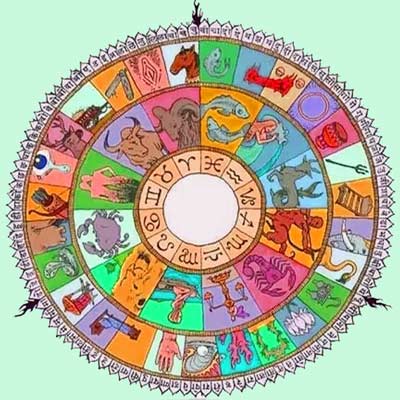
27 Nakshatra Symbols
Astrology, an intriguing discipline, encompasses a multitude of components such as zodiac signs, planets, and celestial bodies. Among these, Nakshatras hold a significant position. These lunar constellations are pivotal in shaping our lives and illuminating our 27 Nakshatra characteristics.
Embedded within Hindu astrology, Nakshatras are regarded as cosmic energy centers, exerting influence over diverse aspects of our being. With a total of 27 Nakshatras, each possesses distinct characteristics and symbolism, reflecting the intricate tapestry of human nature and existence. Exploring the realm of Nakshatras unveils a profound understanding of the individual traits and qualities that contribute to our unique personalities and life experiences.
Overview of Nakshatras and their significance in astrology
Nakshatras are specific divisions or segments along the ecliptic, which is the apparent path of the Sun across the celestial sphere. Each Nakshatra occupies a particular degree of the zodiac and has its ruling deity, symbol, and associated qualities.
These lunar constellations are believed to exert a profound influence on various aspects of human life, including personality traits, relationships, career, and spiritual development. By understanding the Nakshatras, astrologers can gain deeper insights into an individual’s life journey and provide valuable guidance.
Brief explanation of Nakshatra symbols
Nakshatra symbols are visual representations that encapsulate the essence and energy of each lunar constellation. These symbols serve as a key to understanding the underlying qualities and attributes associated with a particular Nakshatra.
The symbols associated with Nakshatras are diverse and range from animals and plants to mythical objects and celestial bodies. They act as a visual language that helps astrologers and enthusiasts comprehend the unique energies and influences of each Nakshatra.
By exploring the Nakshatra symbols, we can gain a deeper understanding of the qualities and characteristics attributed to individuals born under a specific lunar constellation. These symbols add depth and richness to the interpretation of a person’s birth chart and provide valuable insights into their strengths, weaknesses, and life path.
27 Nakshatra Symbols
- Ashwini – Horse’s Head
- Bharani – Yoni
- Krittika – Knife
- Rohini – Cart, temple, banyan tree
- Mrighasira – Deer’s head
- Ardra – Teardrop, diamond, a human head
- Punarvasu – Bow and quiver
- Pushya – Cow’s udder, lotus, arrow and circle
- Ashlesha – Serpent
- Magha – Royal throne
- Purva Phalguni – Front legs of the bed, hammock, fig tree
- Uttara Phalguni – Four legs of the bed, hammock
- Hasta – Hand or fist
- Chitra – Bright jewel or pearl
- Swati – Shoot of plant, coral
- Vishaka – Triumphal arch, potter’s wheel
- Anuradha – Triumphal arch, lotus
- Jyestha – Circular amulet, umbrella, earring
- Moola – Bunch of roots tied together, elephant goad
- Purvashada – Elephant tusk, fan, winnowing basket
- Uttarashada – Elephant tusk
- Sharavan – Ear or three footprints
- Dhanishta – Drum or flute
- Shatabisha – Empty circle, flowers or stars
- Purvabhadra – Swords or two front legs of cot, a man with two faces
- Uttarabhadra – Twins, back legs of cot, snake in the water
- Revati – Pair of fish, drum
Explore the 27 Nakshatra Symbols
1. Ashwini
Symbol: Horse’s Head
In the realm of astrology, each Nakshatra holds profound symbolism and significance. Ashwini, the first Nakshatra, is represented by the symbol of a Horse’s Head. This powerful symbol encapsulates the dynamic energy and vitality associated with Ashwini Nakshatra.
Mythological significance and representation
According to Hindu mythology, Ashwini Nakshatra is associated with the Ashwini Kumaras, divine twin brothers who are considered the physicians of the gods. They are depicted as riding on horses, symbolizing their swift movement and healing abilities. The presence of the Ashwini Kumaras signifies new beginnings, rejuvenation, and the ability to bring light into darkness.
Personality traits associated with Ashwini Nakshatra
Individuals born under the influence of Ashwini Nakshatra exhibit remarkable qualities and personality traits. They possess an energetic and enterprising nature, characterized by their swift action and enthusiasm for progress. Like the horse, they are agile, quick, and possess a natural inclination towards movement and innovation.
Ashwini natives are known for their resourcefulness and adaptability. They have a proactive approach to life and excel in problem-solving. With their ability to identify opportunities and take prompt action, they make excellent initiators and leaders.
Charismatic and friendly, individuals influenced by Ashwini Nakshatra have a natural magnetism that draws people towards them. They possess excellent communication skills and exude confidence in their interactions. Their optimistic outlook and friendly demeanor make them enjoyable companions.
The influence of Ashwini Nakshatra also instills a strong sense of empathy and a desire to help others. Just as the Ashwini Kumaras bring healing and aid, individuals influenced by this Nakshatra exhibit compassion and a willingness to support those in need.
2. Bharani
Symbol: Yoni (Female Reproductive Organ)
The Nakshatra Bharani is represented by the symbol of Yoni, which signifies the female reproductive organ. This symbol represents the creative and nurturing aspects associated with Bharani Nakshatra.
Interpretation and symbolism of the Yoni symbol
The Yoni symbol in Bharani Nakshatra represents the power of creation, birth, and fertility. It symbolizes the divine feminine energy and the ability to nurture and sustain life. It is a reminder of the importance of procreation and the continuation of the cycle of life.
Characteristics of individuals born under Bharani Nakshatra
Individuals born under Bharani Nakshatra possess strong willpower and determination. They are known for their leadership qualities and are driven by a desire to achieve their goals. They are ambitious, focused, and willing to put in the necessary effort to succeed.
Bharani natives exhibit a sense of responsibility and take their commitments seriously. They have a natural instinct to protect and care for others, often assuming nurturing roles in their relationships and social circles. Their nurturing nature is balanced by a sense of independence and self-reliance.
With their strong sense of justice, individuals influenced by Bharani Nakshatra strive for fairness and equality in all aspects of life. They have a strong moral compass and are guided by their principles.
3. Krittika
Symbol: Razor or Axe
Krittika Nakshatra is represented by the symbol of a Razor or Axe. This symbol holds historical significance and embodies the qualities and traits associated with Krittika natives.
Historical context and symbolism of the Razor/Axe symbol
In ancient times, the Razor or Axe symbol was associated with cutting and separating. It represented the ability to discern and make decisive choices. The symbol signifies the sharpness of intellect and the cutting through of obstacles to attain clarity and truth.
Personality traits and qualities of Krittika Nakshatra natives
Individuals born under Krittika Nakshatra possess a sharp and discerning intellect. They are known for their logical thinking, analytical skills, and ability to make sound judgments. They have a natural inclination towards seeking the truth and cutting through illusions and falsehoods.
Krittika natives exhibit strong determination and have a disciplined approach to life. They are diligent, hardworking, and possess the drive to achieve their goals. With their razor-sharp focus, they can overcome challenges and accomplish their objectives.
These individuals are known for their strong sense of individuality and assertiveness. They possess a fiery spirit and are unafraid to express their opinions and stand up for what they believe in. They have a natural leadership ability and are often drawn to positions of authority.
4. Rohini
Symbol: Chariot or Cart
Rohini Nakshatra, the fourth Nakshatra in Vedic astrology, is represented by the symbol of a Chariot or Cart. This symbol carries profound meaning and is associated with various mythological stories and cultural significance.
Mythological stories related to the Chariot symbol
In Hindu mythology, the Chariot holds great importance and is often associated with divine beings and celestial events. One such story connected to the Chariot symbol is the story of Lord Krishna and Arjuna in the epic Mahabharata. Lord Krishna, the divine charioteer, guides Arjuna in the battle of Kurukshetra, symbolizing the journey of life and the importance of righteousness.
Behavioral characteristics of individuals born under Rohini Nakshatra
Those born under the influence of Rohini Nakshatra exhibit distinctive behavioral characteristics. They possess a natural sense of beauty and appreciation for aesthetics. These individuals have a strong connection to the material world and may excel in artistic endeavors or professions related to beauty and luxury.
Rohini natives are known for their determination and perseverance. Like the Chariot, they have a drive to move forward and achieve their goals. They possess leadership qualities and are often looked up to for their guidance and decision-making abilities.
5. Mrigashira
Symbol: Deer’s Head
The symbol associated with Mrigashira Nakshatra is that of a Deer’s Head. This symbol holds significant meaning and reflects the essence of this Nakshatra.
Significance of the Deer’s Head symbol in mythology
In mythology, the Deer holds a special place and is often associated with grace, agility, and sensitivity. It represents the gentle and peaceful aspects of nature. The Deer’s Head symbol in Mrigashira Nakshatra reflects these qualities and highlights the deep connection individuals born under this Nakshatra have with nature.
Personality traits and tendencies of Mrigashira Nakshatra individuals
Mrigashira natives possess a curious and inquisitive nature, much like the Deer. They have a thirst for knowledge and are constantly seeking new experiences and insights. These individuals are known for their versatility and adaptability, allowing them to navigate various situations with ease.
With their sensitive and compassionate nature, Mrigashira individuals have a deep understanding of emotions and can empathize with others. They possess a calm and serene demeanor, which often brings a sense of comfort to those around them.
6. Ardra
Symbol: Teardrop
Ardra Nakshatra is symbolized by a Teardrop, representing the emotional depth and intensity associated with this Nakshatra.
Symbolism and interpretation of the Teardrop symbol
The Teardrop symbolizes the ups and downs of life, the ebb and flow of emotions. It represents the power of transformation that arises from emotional release. The Teardrop in Ardra Nakshatra signifies the profound impact of emotions on an individual’s journey.
Emotional aspects and traits associated with Ardra Nakshatra
Individuals born under Ardra Nakshatra experience emotions deeply and intensely. They possess a keen sense of empathy and often have a strong desire to alleviate the suffering of others. Their emotional depth allows them to connect with others on a profound level.
Ardra natives have the capacity to endure emotional turmoil and find strength in their ability to transform their experiences. They possess resilience and the power to rise above challenging circumstances.
7. Punarvasu
Symbol: Quiver of Arrows
Punarvasu Nakshatra, the seventh Nakshatra in Vedic astrology, is symbolized by the Quiver of Arrows. This symbol holds deep significance and reflects the essence of this Nakshatra.
Symbolic representation of the Quiver of Arrows
The Quiver of Arrows symbolizes the dual nature of Punarvasu Nakshatra. It represents the ability to aim for and achieve multiple goals simultaneously. The arrows in the quiver signify the diverse talents, ambitions, and potential that individuals born under this Nakshatra possess.
Qualities and attributes of Punarvasu Nakshatra natives
Punarvasu natives are known for their versatility and adaptability. They have a keen intellect and possess the ability to excel in various fields. These individuals are natural problem solvers and possess the determination and drive to overcome obstacles.
With their multifaceted nature, Punarvasu individuals have the gift of effective communication and are skilled at expressing themselves. They have a positive outlook on life and possess a natural curiosity that fuels their quest for knowledge and understanding.
8. Pushya
Symbol: Cow’s Udder
Pushya Nakshatra, the eighth Nakshatra in Vedic astrology, is symbolized by the Cow’s Udder. This symbol carries significant cultural and symbolic meaning.
Cultural and symbolic significance of the Cow’s Udder
In many cultures, the cow is considered sacred and is revered for its nourishing and nurturing qualities. The Cow’s Udder symbol in Pushya Nakshatra represents abundance, fertility, and sustenance. It signifies the nurturing and caring nature of individuals born under this Nakshatra.
Personality traits and characteristics of Pushya Nakshatra individuals
Pushya natives are known for their compassionate and nurturing nature. They have a strong sense of responsibility towards their family and loved ones. These individuals possess excellent organizational skills and are adept at creating a harmonious and supportive environment.
With their natural inclination towards service, Pushya individuals often find fulfillment in professions that involve caregiving, counseling, or teaching. They have a deep sense of empathy and are always ready to lend a helping hand to those in need.
9. Ashlesha
Symbol: Serpent
Ashlesha Nakshatra, the ninth Nakshatra in Vedic astrology, is symbolized by the Serpent. This symbol holds deep spiritual and mystical significance.
Interpretation of the Serpent symbol in Ashlesha Nakshatra
The Serpent symbol represents the Kundalini energy, which is often associated with spiritual awakening and transformation. Ashlesha Nakshatra individuals are believed to possess the potential for spiritual growth and enlightenment. The Serpent also represents hidden knowledge and the ability to uncover hidden truths.
Behavioral patterns and traits associated with Ashlesha natives
Ashlesha natives exhibit both intense emotions and a deep sense of intuition. They have the ability to understand the hidden motivations of others and can be insightful and perceptive. However, they can also be prone to possessiveness and manipulation if not channeled positively.
Individuals born under Ashlesha Nakshatra possess a magnetic charm and have the ability to influence others. They are highly adaptable and possess the ability to navigate through challenging situations with ease.
10. Magha
Symbol: Throne
Magha Nakshatra, the tenth Nakshatra in Vedic astrology, is symbolized by the Throne. The symbol of the Throne holds historical significance and carries deep symbolism.
Historical context and symbolism of the Throne symbol
In ancient times, the Throne was a symbol of power, authority, and royalty. It represented the seat of kings and queens, signifying their leadership and divine connection. The Throne symbol in Magha Nakshatra reflects a strong sense of dignity, pride, and regal qualities.
Traits and qualities of individuals born under Magha Nakshatra
Magha natives are often characterized by their noble demeanor and a natural inclination towards leadership roles. They possess a strong sense of self and take pride in their heritage and lineage. These individuals are ambitious, determined, and possess a keen sense of responsibility.
11. Purva Phalguni
Symbol: Front Legs of a Bed or Hammock
Purva Phalguni Nakshatra, the eleventh Nakshatra in Vedic astrology, is symbolized by the Front Legs of a Bed or Hammock. This symbol carries significant meaning and reflects the essence of this Nakshatra.
Symbolic meaning and interpretation of the Bed symbol
The symbol of the Front Legs of a Bed or Hammock represents rest, relaxation, and indulgence. It symbolizes comfort, sensuality, and enjoyment of life’s pleasures. Individuals born under Purva Phalguni Nakshatra are often associated with qualities of warmth, affection, and romantic inclinations.
Personal characteristics and tendencies of Purva Phalguni Nakshatra natives
Purva Phalguni natives are known for their charming and magnetic personalities. They have a natural ability to attract and engage others with their warmth and charisma. These individuals possess a strong sense of aesthetics and appreciate beauty in all its forms.
12. Uttara Phalguni
Symbol: Back Legs of a Bed or Hammock
Uttara Phalguni Nakshatra, the twelfth Nakshatra in Vedic astrology, is symbolized by the Back Legs of a Bed or Hammock. This symbol carries symbolic significance and reflects the essence of this Nakshatra.
Significance and symbolism of the Back Legs symbol
The symbol of the Back Legs of a Bed or Hammock represents support, stability, and the foundation upon which rest and relaxation can be enjoyed. It signifies the nurturing and caring nature of individuals born under Uttara Phalguni Nakshatra.
Behavioral traits and qualities of Uttara Phalguni Nakshatra individuals
Uttara Phalguni natives are known for their practicality, reliability, and loyalty. They are dependable individuals who prioritize the well-being of their loved ones. These individuals possess a strong sense of duty and are often committed to serving others.
13. Hasta
Symbol: Hand or Palm of the Hand
Hasta Nakshatra, the thirteenth Nakshatra in Vedic astrology, is symbolized by the Hand or Palm of the Hand. The symbol of the Hand holds significant meaning and carries deep symbolism within Hasta Nakshatra.
Symbolic representation of the Hand symbol in Hasta Nakshatra
The Hand symbol in Hasta Nakshatra represents skill, dexterity, and the ability to manifest one’s desires through action. It symbolizes the power of creation and the capacity to shape one’s own destiny. Just as the hand can mold and shape things, individuals born under Hasta Nakshatra have the innate ability to bring their ideas into tangible form.
Personality traits and inclinations of Hasta Nakshatra natives
Hasta natives are known for their nimble minds and agile approach to life. They possess excellent communication skills and are often adept at expressing themselves through various forms of art, craftsmanship, or even healing practices. These individuals have a strong sense of practicality and attention to detail, allowing them to excel in their chosen endeavors.
14. Chitra
Symbol: Bright Jewel or Pearl
Chitra Nakshatra, the fourteenth Nakshatra in Vedic astrology, is symbolized by the Bright Jewel or Pearl. This symbol carries profound meaning and reflects the essence of Chitra Nakshatra.
Interpretation of the Bright Jewel symbol in Chitra Nakshatra
The Bright Jewel symbol represents beauty, luster, and the divine spark within every individual. It symbolizes the inherent radiance and uniqueness that lies within each person. Just as a jewel or pearl shines brightly, Chitra Nakshatra individuals have a natural allure and magnetic charm that draws others towards them.
Behavioral patterns and qualities associated with Chitra natives
Chitra natives are known for their artistic talents, creative flair, and keen eye for aesthetics. They possess a deep appreciation for beauty in all its forms and often have a natural talent for design, fashion, or any field that requires a sense of style. These individuals are often regarded as trendsetters and have a knack for effortlessly standing out from the crowd.
15. Swati
Symbol: Shoot of Plant or New Bud
Swati Nakshatra, the fifteenth Nakshatra in Vedic astrology, is symbolized by the Shoot of Plant or New Bud. This symbol carries symbolic significance and reflects the essence of Swati Nakshatra.
Symbolism and meaning of the Shoot of Plant symbol
The Shoot of Plant symbol represents growth, expansion, and the potential for new beginnings. It signifies the constant evolution and transformation that occurs in life. Just as a new bud holds the promise of blooming into a beautiful flower, Swati Nakshatra individuals possess a strong drive for self-improvement and personal growth.
Personality traits and characteristics of Swati Nakshatra individuals
Swati natives are known for their independent nature and their ability to adapt to changing circumstances. They have a curious and exploratory mindset, always seeking new experiences and knowledge. These individuals possess a harmonious and diplomatic nature, allowing them to navigate social situations with ease. They have a natural inclination towards justice and fairness, often championing causes that promote equality and balance.
16. Vishakha
Symbol: Archway or Triumphal Gateway
Vishakha Nakshatra, the sixteenth Nakshatra in Vedic astrology, is symbolized by the Archway or Triumphal Gateway. This symbol carries significant meaning and reflects the essence of Vishakha Nakshatra.
Significance and symbolism of the Archway symbol
The Archway symbol represents progress, growth, and the path to success. It symbolizes the journey of life and the various milestones one encounters along the way. Just as an archway marks a significant transition, Vishakha Nakshatra individuals are often driven by the desire for achievement and strive to overcome obstacles to reach their goals.
Traits and tendencies of Vishakha Nakshatra natives
Vishakha natives possess a strong sense of determination and resilience. They are goal-oriented individuals who are not afraid to put in the necessary effort and hard work to achieve success. These individuals have a natural charisma and leadership qualities that make them effective in team settings. They are often drawn to roles that allow them to influence and inspire others.
17. Anuradha
Symbol: Lotus Flower
Anuradha Nakshatra, the seventeenth Nakshatra in Vedic astrology, is symbolized by the Lotus Flower. This symbol carries deep symbolism and reflects the essence of Anuradha Nakshatra.
Interpretation and symbolism of the Lotus Flower symbol
The Lotus Flower symbolizes purity, enlightenment, and spiritual growth. It represents the journey of the soul towards higher consciousness. Just as a lotus blooms in muddy waters, Anuradha Nakshatra individuals have the ability to rise above challenges and find inner peace and wisdom.
Behavioral characteristics and qualities of Anuradha Nakshatra individuals
Anuradha natives possess a deep sense of compassion and empathy. They have a natural inclination towards helping others and making a positive impact in their communities. These individuals are often drawn to humanitarian work or professions that involve healing and service. They have a calm and composed demeanor, which helps them navigate difficult situations with grace and poise.
18. Jyeshtha
Symbol: Umbrella or Circular Talisman
Jyeshtha Nakshatra, the eighteenth Nakshatra in Vedic astrology, is symbolized by the Umbrella or Circular Talisman. This symbol carries profound meaning and reflects the essence of Jyeshtha Nakshatra.
Symbolic representation of the Umbrella symbol in Jyeshtha Nakshatra
The Umbrella symbol represents protection, authority, and sovereignty. It signifies the power and influence that Jyeshtha Nakshatra individuals possess. Just as an umbrella shields from the elements, individuals born under Jyeshtha Nakshatra often find themselves in positions of authority and are entrusted with great responsibility.
Personality traits and inclinations of Jyeshtha natives
Jyeshtha natives are known for their strong will and assertiveness. They have a natural ability to take charge and make decisions with confidence. These individuals possess a keen sense of observation and are often skilled at understanding the deeper motivations and intentions of others. They have a magnetic personality and are respected for their wisdom and leadership.
19. Moola
Symbol: Bunch of Roots Tied Together
Moola Nakshatra, the nineteenth Nakshatra in Vedic astrology, is symbolized by the Bunch of Roots Tied Together. This symbol carries deep significance and reflects the essence of Moola Nakshatra.
Significance and interpretation of the Bunch of Roots symbol
The Bunch of Roots symbol represents the foundation, strength, and stability. It symbolizes the deep-rooted nature of Moola Nakshatra individuals and their connection to their roots and traditions. Just as a bunch of roots provides nourishment and support to a plant, Moola Nakshatra individuals draw strength from their heritage and utilize it to navigate through life’s challenges.
Behavioral patterns and qualities associated with Moola Nakshatra
Moola natives possess a strong sense of determination and resilience. They are grounded individuals who value tradition and seek stability in their lives. These individuals have a natural affinity for knowledge and are often drawn to philosophical pursuits. They have a deep understanding of the cycles of life and possess the wisdom to navigate through transformative experiences.
20. Purva Ashadha
Symbol: Elephant’s Tusk
Purva Ashadha Nakshatra, the twentieth Nakshatra in Vedic astrology, is symbolized by the Elephant’s Tusk. This symbol carries cultural significance and reflects the essence of Purva Ashadha Nakshatra.
Symbolism and cultural context of the Elephant’s Tusk symbol
The Elephant’s Tusk symbolizes strength, power, and wisdom. In many cultures, elephants are revered for their intelligence and loyalty. The tusk, being one of the prominent features of an elephant, represents these qualities. Purva Ashadha Nakshatra individuals are often endowed with a similar sense of strength and wisdom.
Personality traits and tendencies of Purva Ashadha Nakshatra individuals
Purva Ashadha natives possess a charismatic and dynamic personality. They have a natural ability to lead and inspire others. These individuals are driven by a sense of purpose and are not afraid to take on challenges to achieve their goals. They possess excellent communication skills and are often persuasive in their interactions. They have a deep sense of justice and strive to make a positive impact on society.
21. Uttara Ashadha
Symbol: Elephant’s Tusk as a Plough or Winnowing Basket
Uttara Ashadha Nakshatra, the twenty-first Nakshatra in Vedic astrology, is symbolized by the Elephant’s Tusk as a Plough or Winnowing Basket. This symbol carries significant meaning and reflects the essence of Uttara Ashadha Nakshatra.
Interpretation and symbolism of the Elephant’s Tusk as a Plough symbol
The Elephant’s Tusk as a Plough symbolizes the ability to cultivate and bring forth abundance. It represents the industrious nature of Uttara Ashadha Nakshatra individuals and their ability to transform challenges into opportunities for growth. Just as a plough prepares the ground for sowing, these individuals possess the determination and perseverance to lay the foundation for success.
Behavioral characteristics and qualities of Uttara Ashadha natives
Uttara Ashadha natives are hardworking and goal-oriented individuals. They possess a strong work ethic and are not afraid to put in the necessary effort to achieve their dreams. These individuals have a natural ability to strategize and plan ahead. They possess the qualities of patience and persistence, which enable them to overcome obstacles and reach their desired outcomes.
22. Shravana
Symbol: Ear or Three Footprints
Shravana Nakshatra, the twenty-second Nakshatra in Vedic astrology, is symbolized by the Ear or Three Footprints. This symbol carries deep significance and reflects the essence of Shravana Nakshatra.
Significance and interpretation of the Ear symbol in Shravana Nakshatra
The Ear symbol represents the power of listening and learning. It signifies the importance of being attentive and receptive to knowledge and wisdom. Just as the ear enables us to hear and understand, Shravana Nakshatra individuals possess a natural inclination towards acquiring knowledge and gaining insights from their surroundings. They have a keen sense of observation and are skilled at absorbing information.
Traits and inclinations of Shravana Nakshatra individuals
Shravana natives are known for their excellent communication skills and ability to articulate their thoughts effectively. They possess a deep sense of curiosity and are lifelong learners. These individuals have a strong sense of responsibility and are often sought after for their wise counsel. They are also compassionate and empathetic, making them good listeners and supportive friends.
23. Dhanishta
Symbol: Musical Drum or Tambourine
Dhanishta Nakshatra, the twenty-third Nakshatra in Vedic astrology, is symbolized by the Musical Drum or Tambourine. This symbol carries cultural significance and reflects the essence of Dhanishta Nakshatra.
Symbolic representation of the Musical Drum symbol
The Musical Drum symbolizes rhythm, harmony, and celebration. It represents the creative expression and artistic abilities of Dhanishta Nakshatra individuals. Just as a drum creates captivating beats and melodies, Dhanishta natives possess a natural talent for music, dance, or any form of creative expression.
Personality traits and characteristics of Dhanishta Nakshatra natives
Dhanishta individuals are often blessed with a charismatic and magnetic personality. They have a natural flair for performance and are drawn to creative pursuits. These individuals possess a strong sense of discipline and are willing to put in the necessary effort to excel in their chosen field. They have a generous and warm-hearted nature, making them popular among their peers.
24. Shatabhisha
Symbol: Empty Circle or One Thousand Flowers
Shatabhisha Nakshatra, the twenty-fourth Nakshatra in Vedic astrology, is symbolized by the Empty Circle or One Thousand Flowers. This symbol carries profound meaning and reflects the essence of Shatabhisha Nakshatra.
Interpretation and symbolism of the Empty Circle symbol
The Empty Circle represents the infinite possibilities and interconnectedness of all things. It signifies the vastness of the universe and the potential for growth and transformation. Shatabhisha Nakshatra individuals embody this symbolism by their ability to see beyond limitations and embrace change.
Behavioral patterns and qualities associated with Shatabhisha Nakshatra
Shatabhisha natives possess a unique and unconventional perspective on life. They have a deep intellectual curiosity and a thirst for knowledge. These individuals are often visionary and have the ability to see the bigger picture. They are independent thinkers and have a strong sense of justice and equality. Shatabhisha Nakshatra individuals can be highly intuitive and may possess psychic or healing abilities.
25. Purva Bhadrapada
Symbol: Front Legs of Funeral Cot or Couch
Purva Bhadrapada Nakshatra, the twenty-fifth Nakshatra in Vedic astrology, is symbolized by the Front Legs of a Funeral Cot or Couch. This symbol holds deep significance and reflects the essence of Purva Bhadrapada Nakshatra.
Significance and symbolism of the Funeral Cot symbol
The symbol of the Funeral Cot represents the transition from one phase of existence to another. It signifies the journey of the soul from the earthly realm to the spiritual realm. Purva Bhadrapada Nakshatra individuals embody this symbolism, indicating that they possess inherent spiritual depth and a profound connection with the unseen realms. They are often inclined towards exploring the mysteries of life and death.
Traits and tendencies of Purva Bhadrapada Nakshatra individuals
Purva Bhadrapada natives are introspective and contemplative. They possess a deep understanding of the spiritual aspects of life and are drawn to esoteric knowledge and practices. These individuals have a natural inclination towards serving others and may find fulfillment in roles that involve healing, counseling, or guiding others on their spiritual path. They are compassionate and empathetic, often seeking to bring harmony and peace to those around them.
26. Uttara Bhadrapada
Symbol: Back Legs of Funeral Cot or Couch
Uttara Bhadrapada Nakshatra, the twenty-sixth Nakshatra in Vedic astrology, is symbolized by the Back Legs of a Funeral Cot or Couch. This symbol carries its own unique meaning and reflects the essence of Uttara Bhadrapada Nakshatra.
Symbolic meaning and interpretation of the Funeral Cot symbol
The symbol of the Back Legs of a Funeral Cot represents the completion of the soul’s journey and the final stages of transition. It signifies the ultimate surrender and release of the individual into the divine realm. Uttara Bhadrapada Nakshatra individuals embody this symbolism, indicating that they possess a deep sense of surrender and detachment from the material world. They have a strong spiritual inclination and seek union with the higher realms.
Personal characteristics and tendencies of Uttara Bhadrapada Nakshatra natives
Uttara Bhadrapada natives are deeply philosophical and contemplative in nature. They possess a profound understanding of the spiritual dimensions of existence and are often drawn to mystical and metaphysical subjects. These individuals have a strong sense of duty and responsibility and may find themselves engaged in humanitarian or service-oriented pursuits. They are highly intuitive and may exhibit psychic or intuitive abilities.
27. Revati
Symbol: Fish or Drum
Revati Nakshatra, the twenty-seventh and final Nakshatra in Vedic astrology, is symbolized by the Fish or Drum. This symbol carries cultural significance and reflects the essence of Revati Nakshatra.
Symbolism and cultural context of the Fish symbol in Revati Nakshatra
The symbol of the Fish represents fertility, abundance, and the power of creation. It signifies the potential for growth and prosperity. Revati Nakshatra individuals embody this symbolism, indicating that they possess a natural inclination towards nurturing and creating. They have a deep sense of compassion and are often drawn to roles that involve caring for others.
Personality traits and inclinations of Revati Nakshatra individuals
Revati natives are known for their nurturing and caring nature. They have a deep sense of empathy and are highly compassionate towards others. These individuals possess a creative spirit and may excel in artistic pursuits such as music, writing, or visual arts. They have a natural ability to connect with others and create harmonious relationships. Revati Nakshatra individuals are often generous and may find fulfillment in acts of service and charity.
Conclusion
Each of the 27 Nakshatras carries a distinct symbol and a unique set of characteristics that influence individuals born under them. From the symbolic representations of the Ashwini Nakshatra’s Horse’s Head to the vibrant qualities of the Revati Nakshatra’s Fish or Drum, the diverse influences are truly fascinating. These Nakshatras shape various aspects of our lives, including our personalities, inclinations, and spiritual paths. Exploring the depths of each Nakshatra uncovers a rich tapestry of qualities and traits that make individuals truly exceptional. Whether it’s the intuitive nature of Shravana or the compassionate spirit of Purva Bhadrapada, the 27 Nakshatra characteristics offer valuable insights into our strengths and potential. Understanding and embracing these influences can help us navigate life’s journey with a deeper sense of self-awareness and purpose.
Read More
- 27 Nakshatras Characteristics
- 27 Nakshatras and their Lords
- Worship of Family Deity
- All Astrology Details in Tamil