
Melt Belly Fat – Belly fat is a common concern for many people, and for good reason. While having a little extra padding around the midsection may not seem like a big deal, excess belly fat can have serious health consequences. Research has linked excess belly fat to an increased risk for a number of chronic health conditions, including heart disease, type 2 diabetes, and certain cancers.
Not only is belly fat a health risk, but it can also be aesthetically unappealing and have a negative impact on self-esteem. However, the good news is that belly fat is one of the first types of fat that the body burns when it is in caloric deficit. This means that by making changes to your diet and exercise habits, you can effectively target and reduce belly fat.
In this guide, we will explore 10 proven strategies to melt belly fat fast. From reducing stress and getting adequate sleep, to incorporating strength training and eating a high-protein diet, these strategies have been shown to be effective in reducing belly fat and improving overall health. So if you’re ready to take action and achieve a flatter, healthier midsection, let’s get started!
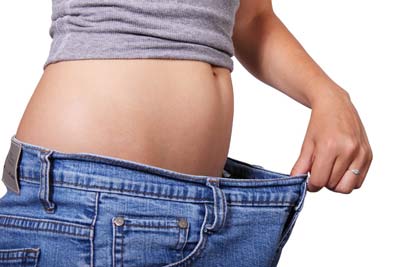
Strategy 1: Implement a Caloric Deficit
Reducing calorie intake is one of the most effective ways to burn fat, including belly fat. When you consume fewer calories than your body needs, it triggers a process called caloric deficit. This means that your body has to turn to stored fat for energy, resulting in weight loss.
i. Explanation of how reducing calorie intake helps burn fat
Your body needs a certain number of calories each day to function properly, and this number depends on factors such as your age, gender, weight, and activity level. If you consume more calories than your body needs, the excess is stored as fat. Conversely, if you consume fewer calories than your body needs, your body will turn to stored fat for energy, resulting in weight loss.
When it comes to reducing calorie intake, it’s important to make changes that are sustainable and not too drastic. Cutting too many calories can slow down your metabolism, making it harder to lose weight in the long run. Instead, focus on reducing your portion sizes and making healthier food choices, such as incorporating more fruits and vegetables into your diet. By making small, gradual changes to your eating habits, you can create a caloric deficit that will help you burn belly fat and achieve your weight loss goals.
ii. Tips for creating a caloric deficit, such as tracking calorie intake and reducing portion sizes
Here are some tips for creating a caloric deficit and burning fat, including belly fat:
Track your calorie intake: Keeping track of the number of calories you consume each day is a simple and effective way to create a caloric deficit. There are many apps and websites that can help you track your calorie intake and make sure you’re staying within your target range.
Reduce portion sizes: One of the easiest ways to reduce your calorie intake is to simply eat less. Try reducing the size of your meals and snacks by 10-20%, and pay attention to how full you feel after eating. You may find that you don’t need as much food as you thought to feel satisfied.
Incorporate more fruits and vegetables: Fruits and vegetables are low in calories and high in fiber, which means they can help you feel full without consuming a lot of calories. Try to make half of your plate fruits and vegetables at each meal.
Avoid sugary drinks: Sugary drinks like soda, sports drinks, and fruit juice are high in calories and provide little to no nutritional value. Try switching to water, seltzer, or unsweetened tea or coffee instead.
Limit processed foods: Processed foods like cookies, crackers, and chips are often high in calories and low in nutrients. Try to limit your consumption of these foods and opt for healthier options like nuts, seeds, or whole grain crackers instead.
Cook at home: Cooking at home allows you to control the ingredients and portion sizes of your meals, making it easier to create a caloric deficit. Try to cook most of your meals at home, and limit the amount of restaurant or take-out food you eat.
By following these tips and making small, gradual changes to your eating habits, you can create a caloric deficit that will help you burn belly fat and achieve your weight loss goals.
Check out – One Minute Weight Loss
Strategy 2: Increase Physical Activity
Exercise is another effective way to burn calories and melt belly fat. When you exercise, you increase your heart rate and breathing rate, causing your body to burn calories. The more intense the exercise, the more calories you’ll burn.
Explanation of how exercise burns calories and helps melt belly fat
In addition to burning calories, exercise has a number of other benefits for weight loss and belly fat reduction. For example, resistance training can help increase your muscle mass, which can boost your metabolism and help you burn more calories even when you’re not exercising. Aerobic exercise, such as running or cycling, can also help increase the number of calories you burn, as well as improve cardiovascular health.
When it comes to burning belly fat specifically, a combination of aerobic exercise and resistance training is often most effective. Aim for at least 30 minutes of moderate-intensity aerobic exercise most days of the week, and at least two days of resistance training that target your abdominal muscles.
It’s also important to remember that exercise alone is not enough to melt belly fat. You’ll also need to create a caloric deficit by reducing your calorie intake and making healthier food choices. But by combining a healthy diet with regular exercise, you can create a calorie deficit that will help you burn belly fat and achieve your weight loss goals.
Recommendations for types of exercise that target belly fat, such as high-intensity interval training and resistance training
There are several types of exercise that are particularly effective for targeting belly fat. Some of the best exercises for burning belly fat include:
High-Intensity Interval Training (HIIT): HIIT is a form of cardio that alternates periods of intense activity with periods of rest or low-intensity activity. HIIT has been shown to be particularly effective for burning belly fat, as it boosts your heart rate and metabolism for hours after you finish exercising.
Resistance training: Resistance training, also known as weightlifting or strength training, is an effective way to build muscle and burn calories. Resistance training exercises that target the abdominal muscles, such as crunches, sit-ups, and planks, can help tone your belly and melt fat.
Aerobic exercise: Aerobic exercise, such as running, cycling, or swimming, is another great way to burn calories and target belly fat. Aim for at least 30 minutes of moderate-intensity aerobic exercise most days of the week.
Yoga: Yoga is a low-impact form of exercise that can help you improve flexibility and reduce stress. Certain yoga poses, such as boat pose and warrior III, can also help target the abdominal muscles and melt belly fat.
Pilates: Pilates is a low-impact form of exercise that focuses on strengthening the core and improving posture. Pilates exercises, such as the hundreds and double leg stretch, can help tone your belly and burn fat.
Remember that a combination of exercises is often most effective for melting belly fat. Aim to include a mix of cardio, resistance training, and core-strengthening exercises in your workout routine, and be sure to challenge yourself and progress as your fitness level improves.
Strategy 3: Incorporate Strength Training
Strength training, also known as resistance training or weightlifting, is an important aspect of a well-rounded exercise routine for anyone looking to lose belly fat. Strength training helps build muscle, which in turn helps burn fat.
Explanation of how strength training builds muscle and burns fat
When you lift weights, you cause small tears in your muscle fibers. Your body then repairs these tears and builds new muscle tissue to make the muscles stronger. This process requires energy, which your body gets by burning calories. So, not only do you burn calories during strength training, but your body continues to burn calories after you finish exercising as it repairs and builds new muscle tissue.
In addition to building muscle and burning calories, strength training has a number of other benefits for weight loss and belly fat reduction. For example, it can boost your metabolism, increase insulin sensitivity, and improve posture.
Strength training exercises that target the abdominal muscles, such as crunches, sit-ups, and planks, can be especially effective for melting belly fat. Aim to include two days of resistance training in your workout routine, focusing on all the major muscle groups, including your abs, back, legs, and arms.
It’s important to start with weights that are light enough to allow you to complete 8 to 12 repetitions with good form, and gradually increase the weight as you get stronger. Remember to also focus on proper form and technique, and avoid overexertion or injury. With consistent strength training, you can build muscle, burn fat, and achieve your weight loss goals.
Recommendations for types of strength training exercises, such as squats and deadlifts
Strength training exercises are a great way to build muscle and burn fat, and there are many different types of exercises that you can incorporate into your workout routine. Here are a few recommendations for exercises that can help you target your belly fat and achieve your weight loss goals:
Squats: Squats are a full-body exercise that work multiple muscle groups, including the legs, glutes, and abs. They help to build strength and tone the muscles, which can help you burn fat and lose weight.
Deadlifts: Deadlifts are a great exercise for building strength in the legs, back, and core. They also help to tone the muscles and boost metabolism, making them an effective exercise for burning belly fat.
Planks: Planks are a simple but effective exercise for strengthening the abs, back, and core. They help to tone the muscles and improve posture, and can be easily modified to suit your fitness level.
Push-ups: Push-ups are a classic exercise that work the arms, shoulders, chest, and abs. They help to build upper body strength and tone the muscles, and can be easily modified to suit your fitness level.
Lunges: Lunges are a great exercise for building strength and toning the legs, glutes, and abs. They can also help to improve balance and stability, and can be easily modified to suit your fitness level.
Remember to start with weights that are light enough to allow you to complete 8 to 12 repetitions with good form, and gradually increase the weight as you get stronger. Focus on proper form and technique, and avoid overexertion or injury. With consistent strength training, you can build muscle, burn fat, and achieve your weight loss goals.
Strategy 4: Reduce Stress
Stress can have a significant impact on our health and well-being, including our waistlines. This is because stress triggers the release of the hormone cortisol, which can contribute to the accumulation of belly fat.
Explanation of how stress causes the release of the hormone cortisol, which can lead to belly fat storage
Cortisol is a hormone that is released by the adrenal glands in response to stress. It helps to regulate our body’s stress response by increasing blood sugar levels, suppressing the immune system, and increasing heart rate and blood pressure.
However, when cortisol levels are consistently high, it can lead to an increase in belly fat. Cortisol stimulates the storage of fat in the abdominal area, where it can be easily released for energy when needed. This is because cortisol signals the body to store energy in the form of fat, especially in the abdominal area, where it is easily accessible for quick energy needs.
Additionally, cortisol can also increase cravings for high-calorie, sugary foods, leading to weight gain and further belly fat accumulation.
To combat the effects of cortisol on belly fat, it’s important to manage stress through healthy habits such as exercise, relaxation techniques, and a healthy diet. Regular exercise, especially physical activities that help reduce stress, such as yoga or meditation, can help lower cortisol levels and prevent belly fat accumulation. Also, avoiding sugary and high-calorie foods and focusing on a diet high in whole, nutrient-dense foods can also help to reduce stress and the accumulation of belly fat.
Tips for reducing stress, such as mindfulness practices, exercise, and taking time for self-care
Reducing stress is a key factor in managing cortisol levels and preventing the accumulation of belly fat. Here are a few tips for reducing stress and promoting overall well-being:
Mindfulness practices: Engaging in mindfulness practices such as meditation, yoga, or deep breathing can help to reduce stress and improve mental clarity.
Exercise: Regular physical activity can help to relieve stress and promote relaxation. Exercise also helps to increase endorphins, which are natural mood boosters.
Taking time for self-care: Making time for self-care activities, such as reading a book, taking a relaxing bath, or getting a massage, can help to reduce stress and promote overall well-being.
Connecting with others: Spending time with loved ones, joining a social group, or volunteering can help to reduce stress and increase feelings of happiness and connectedness.
Getting enough sleep: Getting enough sleep each night is essential for reducing stress and promoting overall health and well-being. Aim for 7-9 hours of sleep each night, and establish a consistent bedtime routine to help you wind down and relax before bed.
Eating a healthy diet: A diet rich in nutrient-dense foods and low in processed, sugary foods can help to reduce stress and promote overall health and well-being.
Managing time effectively: Reducing stress and avoiding burnout also means managing your time effectively, learning to prioritize tasks, and setting realistic goals for yourself.
Remember, it’s important to find what works for you and make time for self-care and stress reduction. By reducing stress, you can help manage cortisol levels, prevent the accumulation of belly fat, and promote overall well-being.
Check out – LeanBiome – Lean for Good
Strategy 5: Get Adequate Sleep
Sleep plays a crucial role in regulating metabolism and preventing the accumulation of belly fat. When we don’t get enough sleep, it can disrupt the hormones that control hunger and metabolism, leading to weight gain and the storage of belly fat.
Explanation of how sleep affects metabolism and the storage of belly fat
Lack of sleep can cause an increase in the hormone ghrelin, which stimulates hunger and increases cravings for high-calorie, sugary foods. At the same time, lack of sleep can decrease levels of the hormone leptin, which signals the brain to stop eating and promotes feelings of fullness.
In addition to affecting hunger hormones, lack of sleep can also disrupt the balance of insulin, a hormone that regulates blood sugar levels and fat storage. When insulin levels are consistently high, it can lead to weight gain and the accumulation of belly fat.
Studies have also shown that people who get less than 7 hours of sleep each night are more likely to have higher levels of belly fat than those who get enough sleep.
To promote healthy metabolism and prevent the accumulation of belly fat, it’s important to aim for 7-9 hours of sleep each night and establish a consistent sleep routine. This includes avoiding caffeine and screens for a few hours before bed, creating a relaxing sleep environment, and winding down with a relaxing activity before bed. By getting enough sleep, you can help regulate hormones, maintain healthy metabolism, and prevent the storage of belly fat.
Recommendations for improving sleep, such as creating a bedtime routine and avoiding screens before bed
Improving sleep is essential for regulating hormones, maintaining healthy metabolism, and preventing the accumulation of belly fat. Here are some recommendations for improving sleep and promoting healthy habits:
Establish a bedtime routine: This includes winding down with a relaxing activity, such as reading a book or taking a warm bath, before going to bed. This helps signal to the brain that it’s time to sleep.
Avoid screens before bed: The blue light emitted by screens can interfere with the production of the sleep hormone melatonin and make it harder to fall asleep. It’s best to avoid screens for at least an hour before bed.
Keep the bedroom dark and quiet: Light and noise can disrupt sleep and make it harder to fall and stay asleep. Invest in blackout curtains and a white noise machine if needed.
Keep the bedroom cool: A cool, comfortable temperature can help promote sleep and prevent overheating, which can lead to tossing and turning.
Use a comfortable mattress and pillows: Invest in a comfortable mattress and pillows that support good posture and promote healthy sleep.
Limit caffeine and alcohol: Caffeine can interfere with sleep and increase the amount of time it takes to fall asleep. It’s best to avoid caffeine for at least 6 hours before bed. Alcohol can also disrupt sleep and increase the likelihood of waking up in the middle of the night.
Avoid napping during the day: While napping can be tempting, it can also make it harder to fall and stay asleep at night. Try to limit napping to no more than 30 minutes during the day and avoid napping after 3 pm.
By following these recommendations, you can help improve your sleep and promote healthy habits that support weight loss and the reduction of belly fat.
Strategy 6: Eat a High-Protein Diet
Explanation of how protein helps build muscle and burn fat
Building muscle: Protein is the building block of muscle. When you consume protein, it provides the necessary amino acids that your body uses to build and repair muscle tissue.
Preserving muscle mass: When you’re trying to lose weight, it’s important to preserve muscle mass, as it helps to boost metabolism and burn more calories throughout the day. Protein helps to preserve muscle mass by providing the body with the necessary amino acids.
Suppressing appetite: Protein is more satiating than carbohydrates and fat, meaning it can help you feel full for longer periods of time. This can help you avoid overeating and reduce your overall caloric intake.
Boosting metabolism: Protein requires more energy to digest than carbohydrates or fat, which can help to boost your metabolism and burn more calories throughout the day.
Promoting fat loss: Protein helps to promote fat loss by building muscle and preserving muscle mass, boosting metabolism, and suppressing appetite. This combination of effects can help you to lose belly fat and achieve your weight loss goals.
It’s important to note that while protein is important, it’s just one part of a healthy diet. To maximize its benefits, be sure to include a variety of healthy, nutrient-dense foods in your diet and limit processed, high-fat foods. Additionally, it’s important to consume protein in moderation and to combine it with regular exercise and healthy lifestyle habits to achieve the best results.
Recommendations for incorporating high-protein foods, such as chicken, fish, and legumes, into the diet
To incorporate high-protein foods into your diet, consider the following recommendations:
Chicken: Chicken is a lean source of protein that’s low in fat and calories. Incorporate skinless, boneless chicken breast into your meals by grilling, roasting, or stir-frying.
Fish: Fish is a high-quality source of protein and healthy omega-3 fatty acids. Include fish such as salmon, tuna, or cod in your diet by grilling, baking, or poaching.
Legumes: Legumes, such as beans, lentils, and chickpeas, are a great source of plant-based protein and fiber. Use them in salads, stews, or as a base for dips like hummus.
Eggs: Eggs are an excellent source of protein and healthy fats. Incorporate eggs into your diet by having them for breakfast in the form of scrambled eggs, omelets, or boiled eggs.
Greek Yogurt: Greek yogurt is a high-protein dairy product that’s low in fat and calories. Use it as a base for smoothies, as a topping for fruit, or as a replacement for sour cream in recipes.
Nuts and Seeds: Nuts and seeds are a good source of protein and healthy fats. Incorporate them into your diet by having a handful as a snack, adding them to salads, or using them as a topping for oatmeal.
Protein Powder: Protein powder is a convenient way to add extra protein to your diet. Mix it into smoothies or use it as an ingredient in baking.
Remember to vary your protein sources and to limit processed, high-fat protein foods, such as processed meats and sausages, to maintain a balanced, healthy diet. Additionally, it’s important to consume protein in moderation and to combine it with regular exercise and healthy lifestyle habits to achieve the best results.
Strategy 7: Limit Sugary and Processed Foods
Explanation of how sugar and processed foods contribute to belly fat storage
Sugar and processed foods can contribute to belly fat storage in several ways. Here’s how:
High in calories: Sugar and processed foods are often high in calories, which can lead to weight gain and the storage of belly fat if consumed in excess.
Low in fiber: Processed foods and sugary drinks are often low in fiber, which helps keep you feeling full and satisfied. This can lead to overeating and the storage of belly fat.
High in refined carbohydrates: Processed foods often contain high amounts of refined carbohydrates, which can cause spikes in blood sugar levels and lead to the storage of belly fat.
Stimulate insulin release: Sugar and processed foods stimulate the release of insulin, a hormone that regulates blood sugar levels. When insulin levels are high, it becomes more difficult for your body to burn fat.
Inflammation: Consuming large amounts of sugar and processed foods can cause inflammation in the body, which has been linked to the development of belly fat.
To reduce the risk of belly fat storage, it’s important to limit your consumption of sugar and processed foods and focus on eating a diet rich in whole, unprocessed foods, such as fruits, vegetables, whole grains, and lean proteins. Additionally, be mindful of portion sizes and make sure to balance your calorie intake with regular exercise and physical activity.
Recommendations for reducing sugar and processed food intake, such as cutting back on sugary drinks and replacing processed snacks with healthier options
Here are some recommendations for reducing sugar and processed food intake:
Cut back on sugary drinks: Sodas, sports drinks, and other sugary beverages are often high in calories and contribute to weight gain and belly fat storage. Instead, opt for water, unsweetened tea, or coffee.
Replace processed snacks with healthier options: Processed snacks, such as chips, cookies, and candy, are often high in sugar and refined carbohydrates. Replace these with healthier snack options, such as nuts, fruit, or vegetable sticks with hummus.
Limit added sugars: Added sugars can be found in many processed foods, including breakfast cereals, baked goods, and condiments. Read food labels and limit your intake of products with added sugars.
Cook more at home: Cooking your own meals at home allows you to control the ingredients, including sugar and processed foods, that go into your meals.
Plan ahead: Planning ahead and preparing healthy meals and snacks can help you avoid reaching for sugary and processed foods when you’re on the go or in a rush.
Increase fiber intake: Eating a diet high in fiber can help you feel full and satisfied, reducing the likelihood of overeating and snacking on sugary and processed foods.
Remember, the key is to make gradual changes and be mindful of your sugar and processed food intake. Making small changes and being consistent with these changes can lead to long-term success in reducing belly fat.
Strategy 8: Increase Fiber Intake
Explanation of how fiber helps regulate digestion and reduce belly fat
Fiber is an important nutrient that can help regulate digestion and reduce belly fat. Here’s how:
Helps regulate digestion: Fiber helps regulate digestion by adding bulk to the stool and promoting regular bowel movements. This can help prevent constipation and reduce the risk of digestive issues, such as diverticulitis and hemorrhoids.
Promotes feelings of fullness: Fiber helps promote feelings of fullness by slowing down the digestion process and providing a sustained release of energy. This can help reduce overall food intake and prevent overeating.
Balances blood sugar levels: Fiber can help balance blood sugar levels by slowing down the absorption of carbohydrates. This can help prevent spikes in insulin, which can lead to belly fat storage.
Lowers cholesterol levels: Soluble fiber can help lower cholesterol levels by binding with cholesterol in the gut and preventing its absorption into the bloodstream.
Reduces inflammation: Fiber has been shown to have anti-inflammatory effects, which can help reduce belly fat and the risk of chronic diseases, such as heart disease and type 2 diabetes.
Incorporating a diet high in fiber-rich foods, such as whole grains, fruits, vegetables, and legumes, can help reduce belly fat and promote overall health and wellness.
Recommendations for incorporating fiber-rich foods, such as fruits, vegetables, and whole grains, into the diet
To incorporate fiber-rich foods into your diet, here are some recommendations:
Eat a variety of fruits and vegetables: Try to eat a variety of fruits and vegetables, including leafy greens, berries, and squash, to get a range of fiber and nutrients. Aim for at least 5 servings per day.
Choose whole grains: Opt for whole grain bread, pasta, and rice instead of their processed counterparts. Look for products that list “whole grain” as the first ingredient.
Add legumes to your meals: Legumes, such as beans, lentils, and chickpeas, are high in fiber and can be added to soups, salads, and main dishes.
Snack on fiber-rich foods: Keep fiber-rich snacks, such as fruits, veggies, and nuts, on hand to prevent overeating and curb hunger.
Gradually increase fiber intake: To avoid digestive discomfort, gradually increase your fiber intake over time. This will allow your body to adjust to the increased fiber and prevent gas, bloating, and cramping.
By incorporating fiber-rich foods into your diet, you can help reduce belly fat, regulate digestion, and promote overall health and wellness.
Strategy 9: Stay Hydrated
Explanation of how staying hydrated helps the body burn fat
Staying hydrated is important for many reasons, including its role in helping the body burn fat. Here’s how it works:
Helps regulate metabolism: Adequate hydration is essential for a well-functioning metabolism, as water is involved in many metabolic processes. Dehydration can slow down metabolism and make it more difficult to burn fat.
Aids digestion: Water helps to flush out toxins and waste products from the body, which is important for digestive health. It also helps to regulate bowel movements, which can impact weight loss.
Suppresses appetite: Drinking water can help suppress appetite and prevent overeating, as thirst can sometimes be mistaken for hunger.
Boosts physical performance: Hydration is essential for optimal physical performance, and staying hydrated can help you exercise for longer and more effectively, which can in turn burn more calories and help melt belly fat.
It’s important to drink enough water throughout the day, and to avoid sugary drinks, which can contribute to weight gain. Aim for at least 8 glasses of water per day, and more if you are physically active or live in a hot climate. By staying hydrated, you can help support your body’s ability to burn fat and achieve your weight loss goals.
Recommendations for staying hydrated, such as drinking water throughout the day and avoiding sugary drinks
Here are some recommendations for staying hydrated to help melt belly fat:
Drink water regularly: Aim to drink at least 8 glasses of water per day, and more if you are physically active or live in a hot climate. Keep a water bottle with you at all times and take frequent sips throughout the day.
Avoid sugary drinks: Sugary drinks, such as soda, juice, and sports drinks, are high in calories and can contribute to weight gain. Instead, opt for water, unsweetened tea, or sparkling water with a splash of fruit juice for flavor.
Eat water-rich foods: Some foods, such as fruits and vegetables, are high in water content and can help contribute to your daily hydration needs. Incorporating these foods into your diet can also support weight loss.
Track your intake: Keep a tally of how much water you drink each day to ensure you are staying hydrated. You can also use a hydration tracking app to help you monitor your intake.
Listen to your body: Pay attention to your body’s signals, such as thirst, and drink water when you need it. If you feel thirsty, you may already be dehydrated, so it’s important to drink water as soon as possible.
By following these recommendations, you can help ensure that you are getting enough water to support your weight loss goals and promote fat burning.
Strategy 10: Implement Intermittent Fasting
Intermittent fasting is a type of eating pattern that involves alternating periods of fasting and eating. This eating pattern has gained popularity as a way to reduce belly fat and improve overall health.
Explanation of how intermittent fasting helps reduce belly fat
The basic idea behind intermittent fasting is that by limiting the time period in which you eat, you reduce your overall calorie intake. This caloric deficit can lead to weight loss, including reducing belly fat. Intermittent fasting also helps to regulate hormones such as insulin, which can help improve metabolism and fat storage.
Intermittent fasting can be done in a number of ways, including skipping breakfast and eating only during a specific time window each day, or fasting for a full 24 hours once or twice a week.
It’s important to note that while intermittent fasting may help reduce belly fat, it’s just one component of a comprehensive weight loss plan. It should be combined with a balanced diet and regular exercise for best results. Additionally, people with certain medical conditions or a history of disordered eating should consult with a doctor before starting an intermittent fasting regimen.
Recommendations for implementing intermittent fasting, such as 16/8 or 5:2 fasting protocols
If you’re interested in trying intermittent fasting to reduce belly fat, here are some recommendations for implementing it in a safe and effective way:
16/8 Fasting Protocol: This involves fasting for 16 hours and eating within an 8-hour window each day. For example, you may eat from noon to 8 PM, and then fast from 8 PM to noon the next day.
5:2 Fasting Protocol: This involves eating normally for 5 days and then restricting calorie intake to 500-600 calories on the remaining 2 days of the week.
Gradual Implementation: Start with a shorter fasting period and gradually increase it over time. This will help your body adjust and reduce the risk of negative side effects.
It’s also important to remember that when you’re fasting, you should still aim to eat healthy, nutrient-dense foods that are low in added sugars and processed ingredients. And, as with any change to your diet and exercise habits, it’s always a good idea to talk to your doctor before starting an intermittent fasting regimen.
Conclusion
In conclusion, melting belly fat requires a combination of strategies that address both diet and lifestyle. By reducing calorie intake, increasing exercise, managing stress, improving sleep, and incorporating healthy food choices like protein, fiber, and hydration, you can create the conditions for your body to burn fat and achieve your health and fitness goals.
Remember, there’s no magic pill or quick fix when it comes to reducing belly fat. However, by taking action and making small, sustainable changes to your diet and lifestyle, you can start to see results. The key is to be patient, consistent, and stay committed to your goals.
Take the first step today and start incorporating these proven strategies into your daily routine. With time, discipline, and dedication, you’ll be well on your way to a healthier, happier, and slimmer you.
Read More
- Chrissy Metz’s Weight Loss Journey – How She Lost Over 100 Pounds
- Ikaria Lean Belly Juice
- Top10 Weight Loss Products and Supplements
- Ikaria Lean Belly Juice
- LeanBiome – Lean for Good
- Ikaria Lean Belly Juice